DEFENSE & TACTICAL
Optimize Operator Readiness.
Lab-grade biomechanics data for mission-critical personnel. Monitor load tolerance, prevent injury, and maintain peak performance in the field.
Optimize performance
Minimize injury risk
Extend careers

Mission-Critical Performance Data
Professional-grade movement analysis with intuitive reports and AI-supported insights.
Quantify functional capacity
Replace subjective assessments with validated biomechanics metrics. Track speed, symmetry, and variability—powerful predictors of performance, fatigue, and injury risk.
Clearly show progress
Replace subjective assessments with quantifiable metrics. Easily and intuitively show progress to built trust and improve compliance.

Detect risk factors early
Identify subtle changes in movement patterns before symptoms emerge. Intervene proactively and when treatments are most effective.

Monitor anywhere
Lightweight sensor technology that functions in austere environments. Collect data during training, selection courses, and field operations without impeding performance.

System Capabilities
Comprehensive biomechanics intelligence for tactical operations.
Deploy
Integrate sensor insoles into standard-issue footwear. No external devices, no interference with gear. Operators move naturally while data is captured continuously during training, selection, and operations.

Monitor & Analyze
Command staff and medical personnel access dashboards showing unit-wide trends, individual risk indicators, loading asymmetries, and readiness metrics for informed decision-making.

Act
Implement targeted recovery protocols, modify training loads, or refer high-risk individuals for medical evaluation based on objective biomechanics data to maintain force readiness.

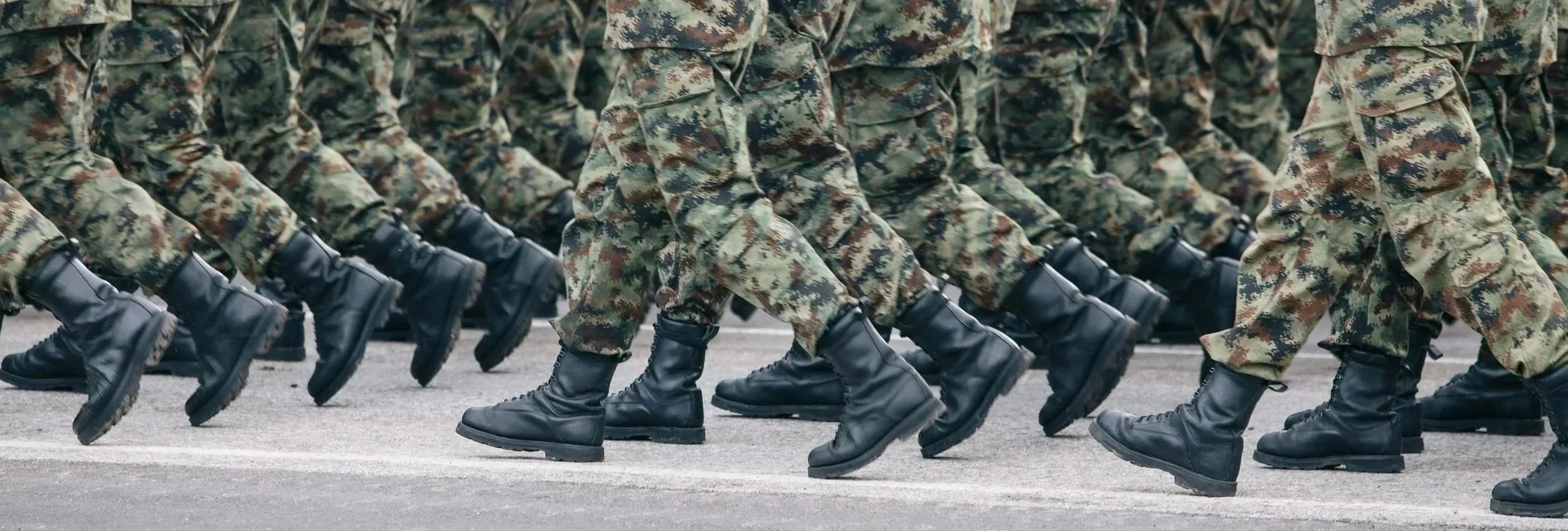
Evaluate candidates with objective physical capability metrics
Quantify load tolerance and resilience
Track fatigue response during selection events
Identify compensation patterns under stress
Document baseline performance for future comparison
Support evidence-based selection decisions
Operational Applications
Proven solutions for defense and tactical environments.
Selection Assessment
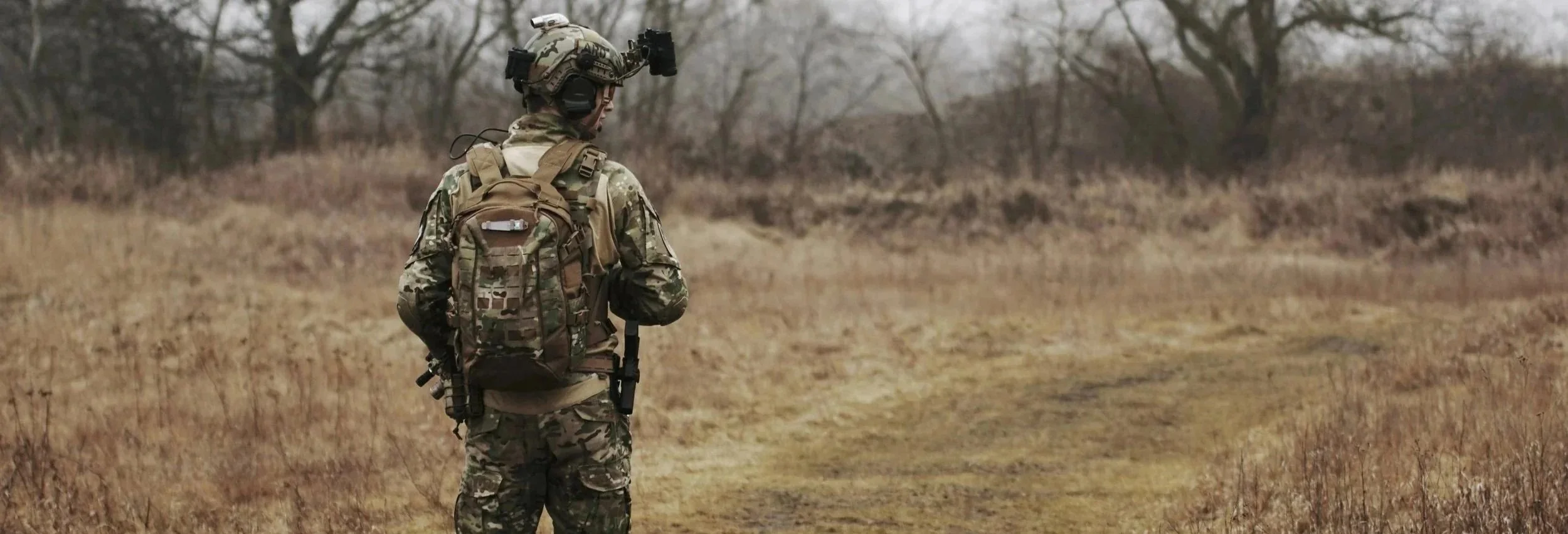
Ensure force readiness before operational deployment
Establish pre-deployment baselines
Monitor load carriage tolerance
Detect emerging injuries before deployment
Document physical readiness objectively
Optimize unit composition based on capability
Deployment Readiness
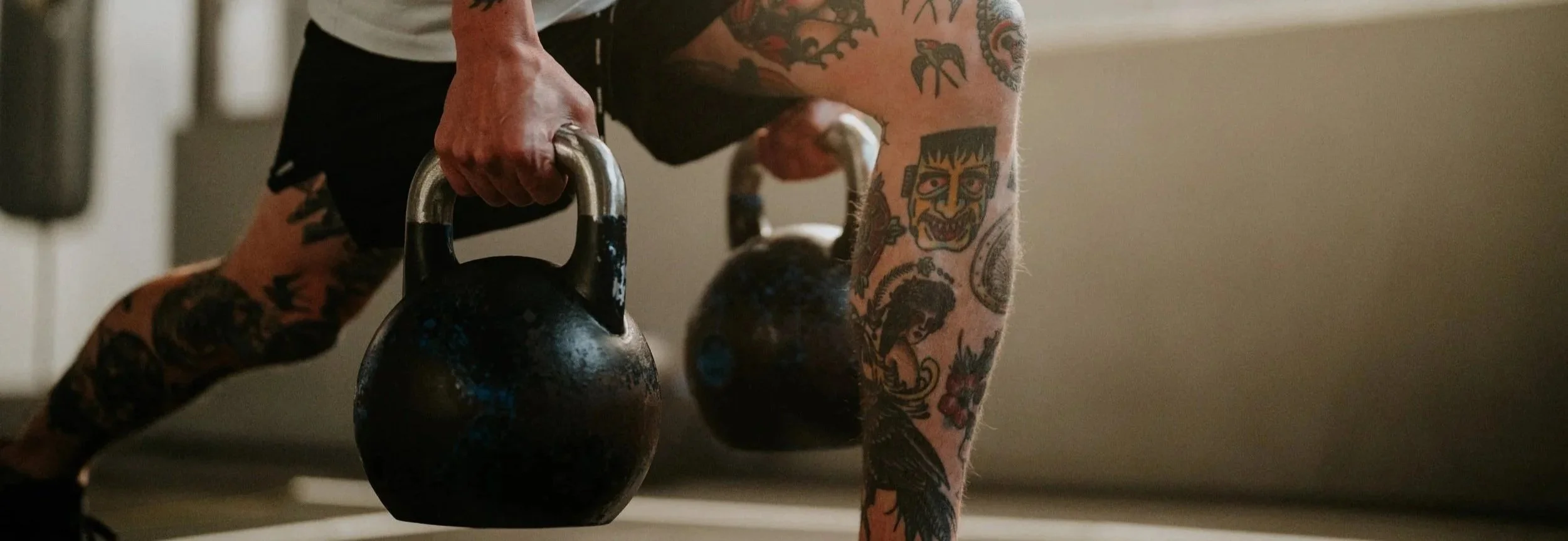
Optimize training loads and prevent overtraining injuries
Monitor cumulative training stress
Track recovery between training blocks
Identify individuals at injury risk
Adjust training volume based on biomechanics data
Reduce non-combat injury rates
Training Programs
Clear personnel for operational duty with confidence
Track rehabilitation progress quantitatively
Monitor gait normalization after injury
Document return to baseline function
Support medical clearance decisions
Reduce re-injury and recurrence rates

Return-to-Duty
Military Advantages
Strategic benefits for defense and tactical organizations
Force preservation
Reduce non-combat injuries that degrade unit readiness. Prevent musculoskeletal injuries that account for the majority of military medical encounters.

Cost reduction
Lower medical costs, reduce lost duty days, and minimize personnel replacement expenses through proactive injury prevention.

Data security
On-sensor data storage and physical connection for data transfer. Secure data handling protocols meet defense-grade security requirements for sensitive personnel information.

Scalable deployment
From small tactical teams to entire battalions—system scales to meet unit requirements without additional infrastructure.

Remote operations
Monitor personnel health in forward operating bases and austere environments. Data syncs when connectivity is available.

Evidence-based decisions
Replace subjective assessments with objective biomechanics data to support medical, training, and operational decisions.