
SCIENCE
AI Movement Intelligence
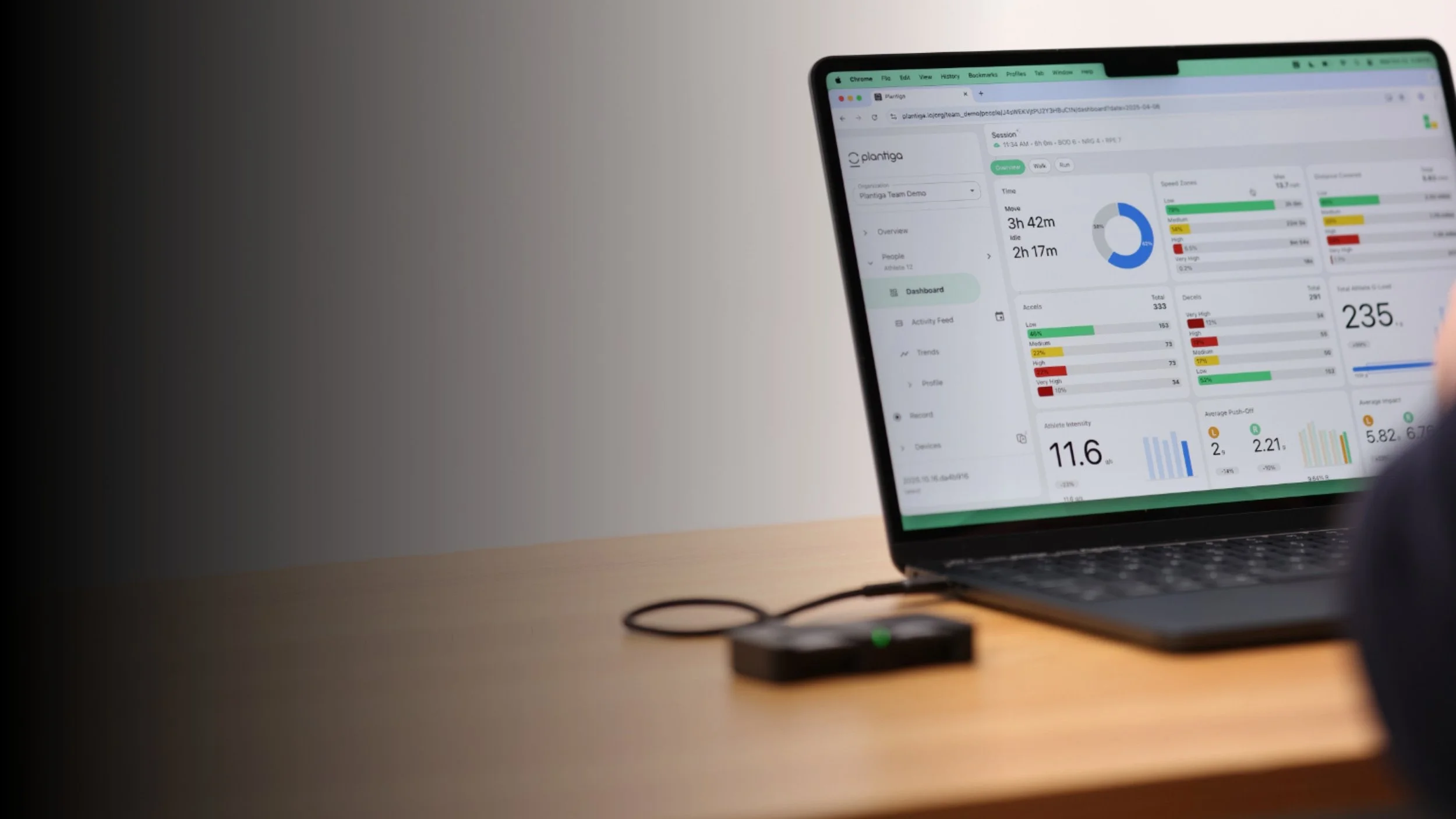
Plantiga’s IMU sensors measure accelerations and rotations 500 times per second. Coupled with our AI, we provide over 100 third party validated biomechanical metrics. Right from the athlete’s own shoes.
We measure movement, not force.
Accelerometry is the measurement of acceleration and rotation to quantify movement. Each Plantiga sensor contains an inertial measurement unit (IMU), recording how the foot speeds up, slows down, and changes direction through every step, jump and cut.
We don’t report pressure or ground reaction force. Force plates and pressure insoles tell you how hard the foot presses into the ground. Plantiga answers how the foot moves, and it does that on the court, field, or ice rather than in the lab.

“Accelerometry offers a practical and low cost method of objectively monitoring human movements, and has particular applicability to the monitoring of free-living subjects.“
Validated in the lab. Approved by the leagues
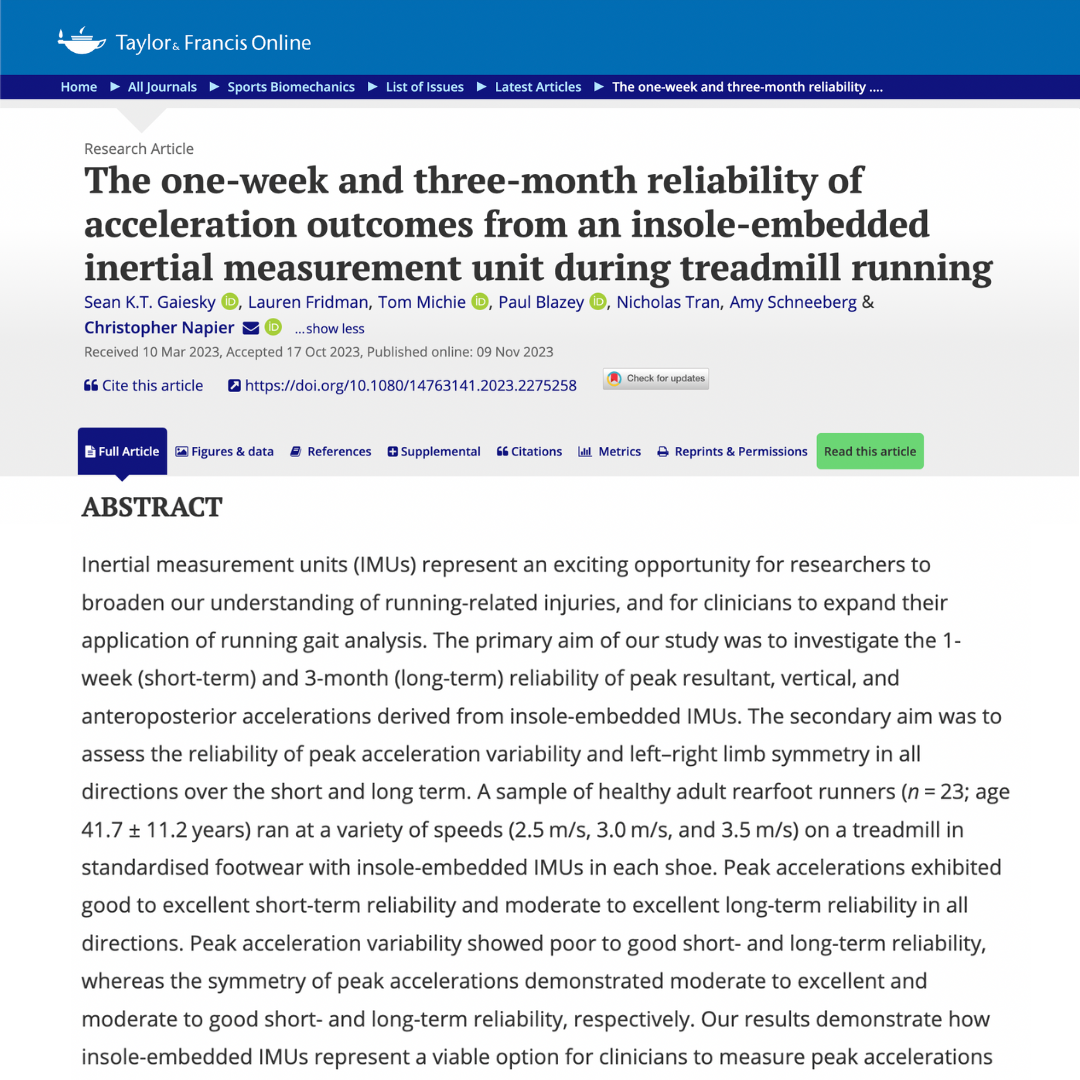
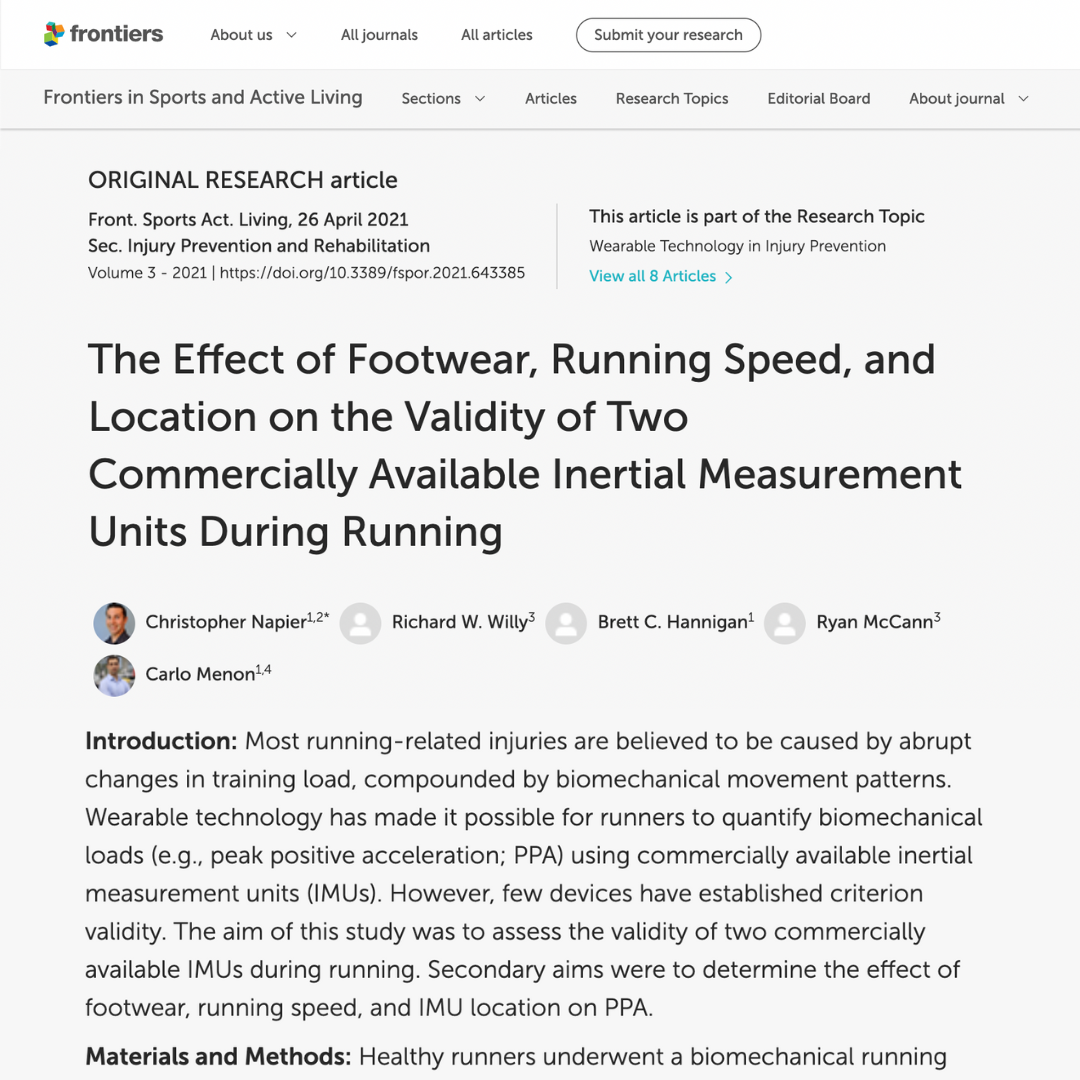
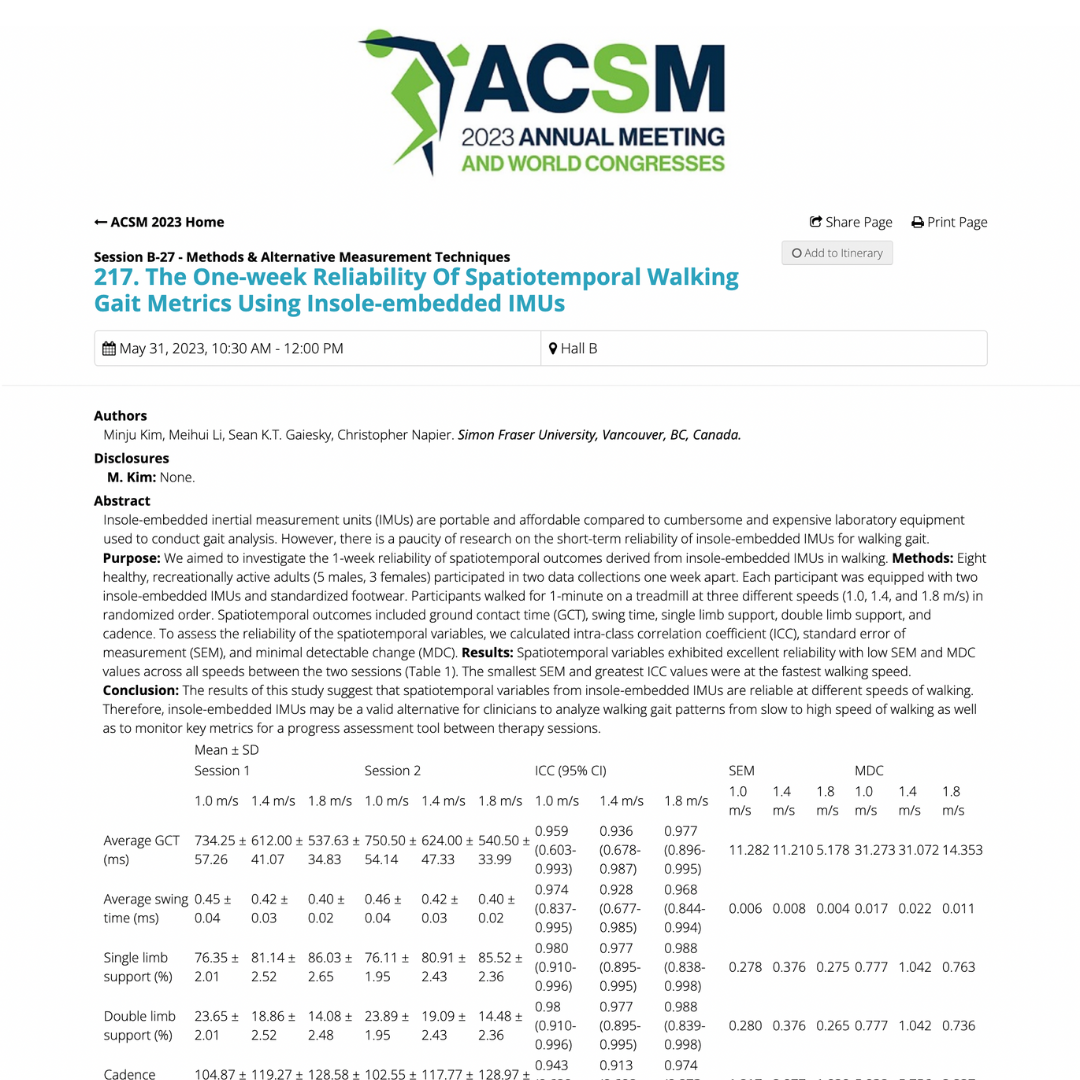
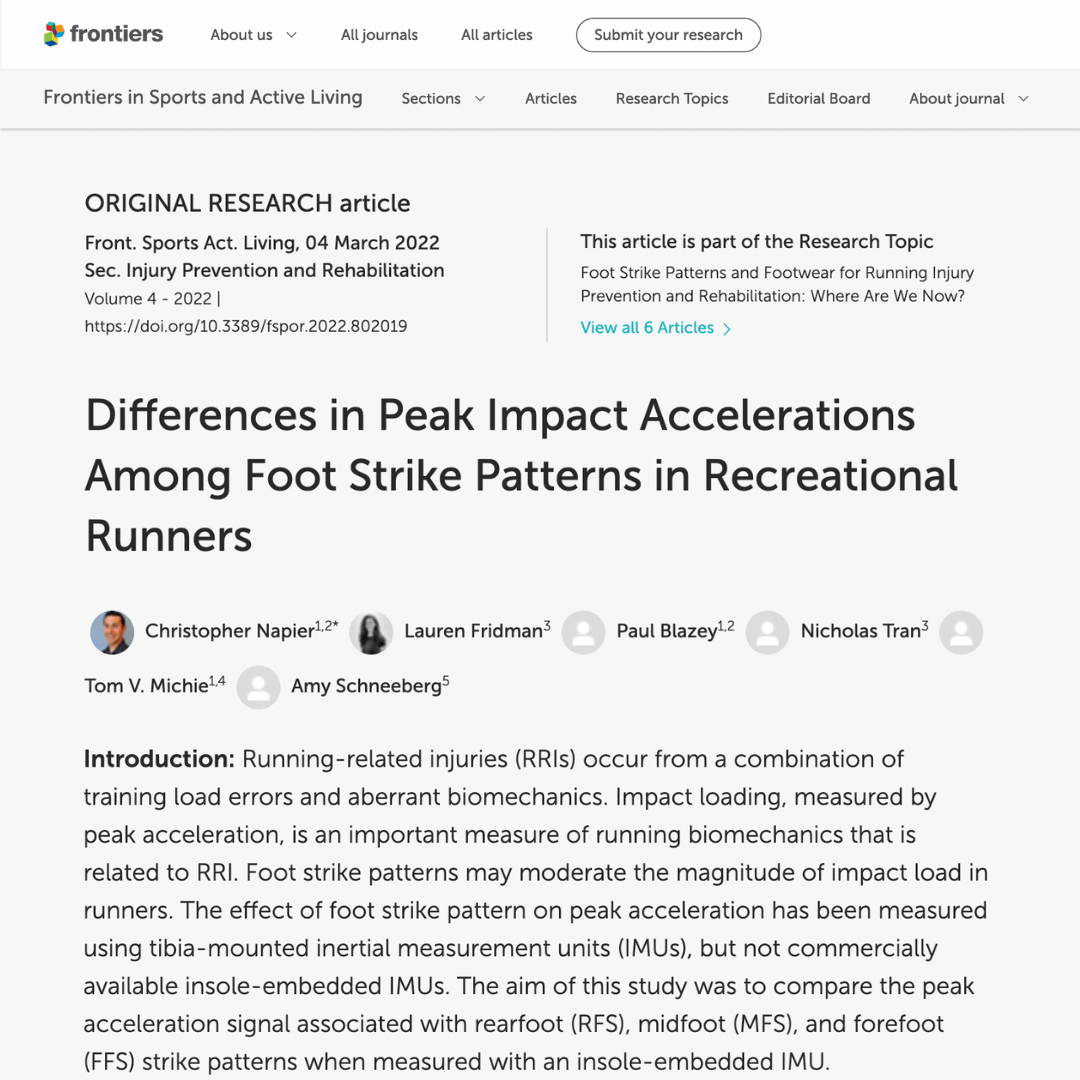
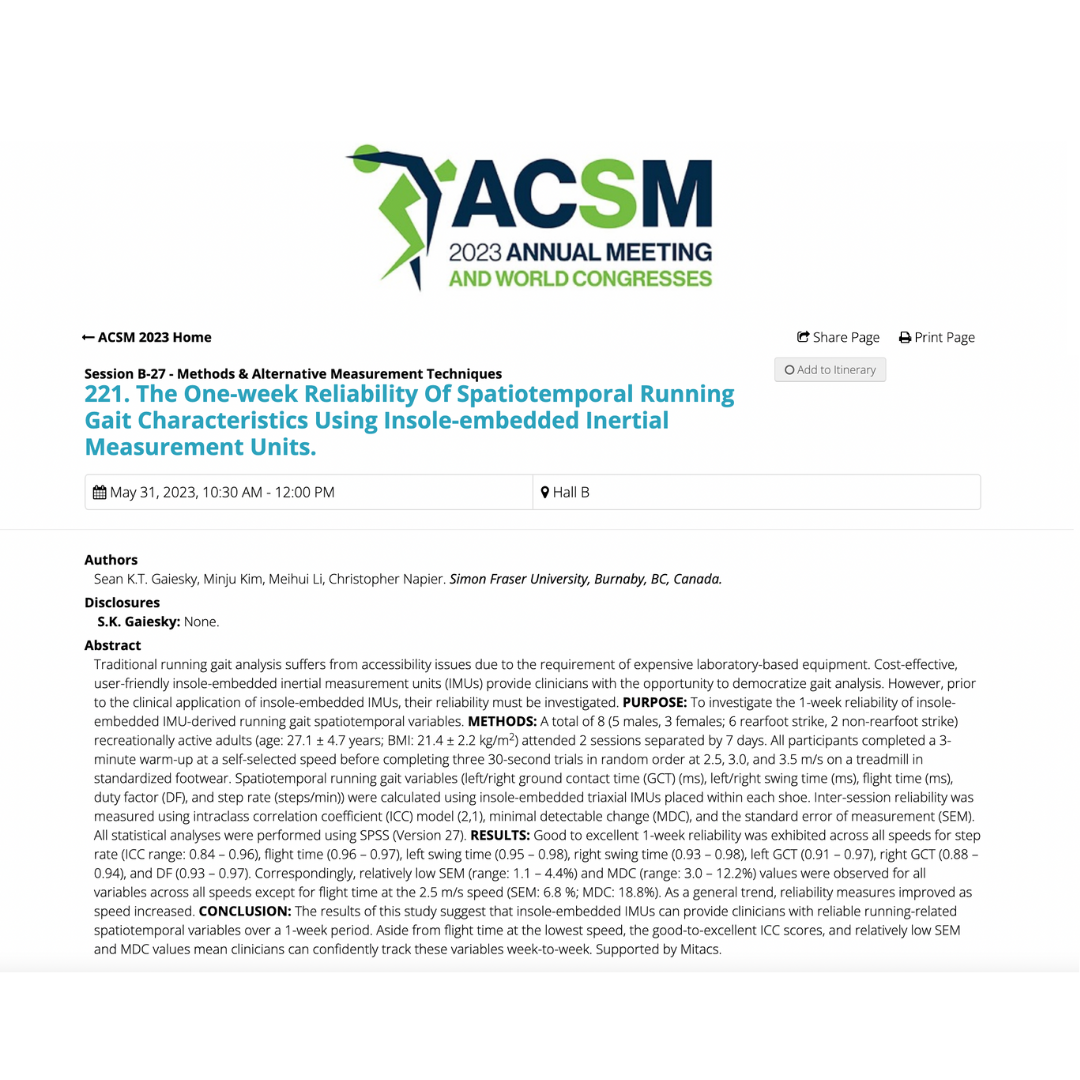
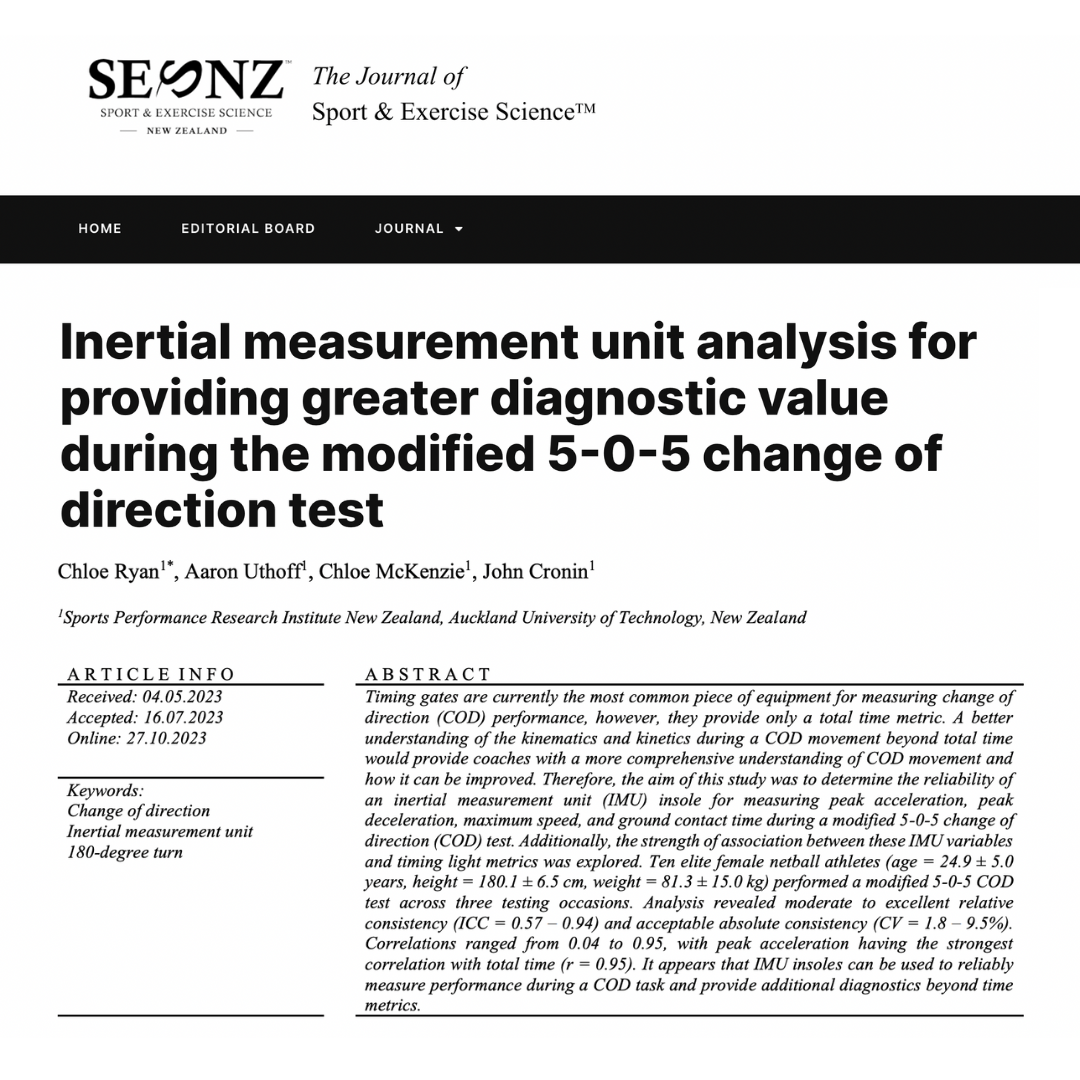
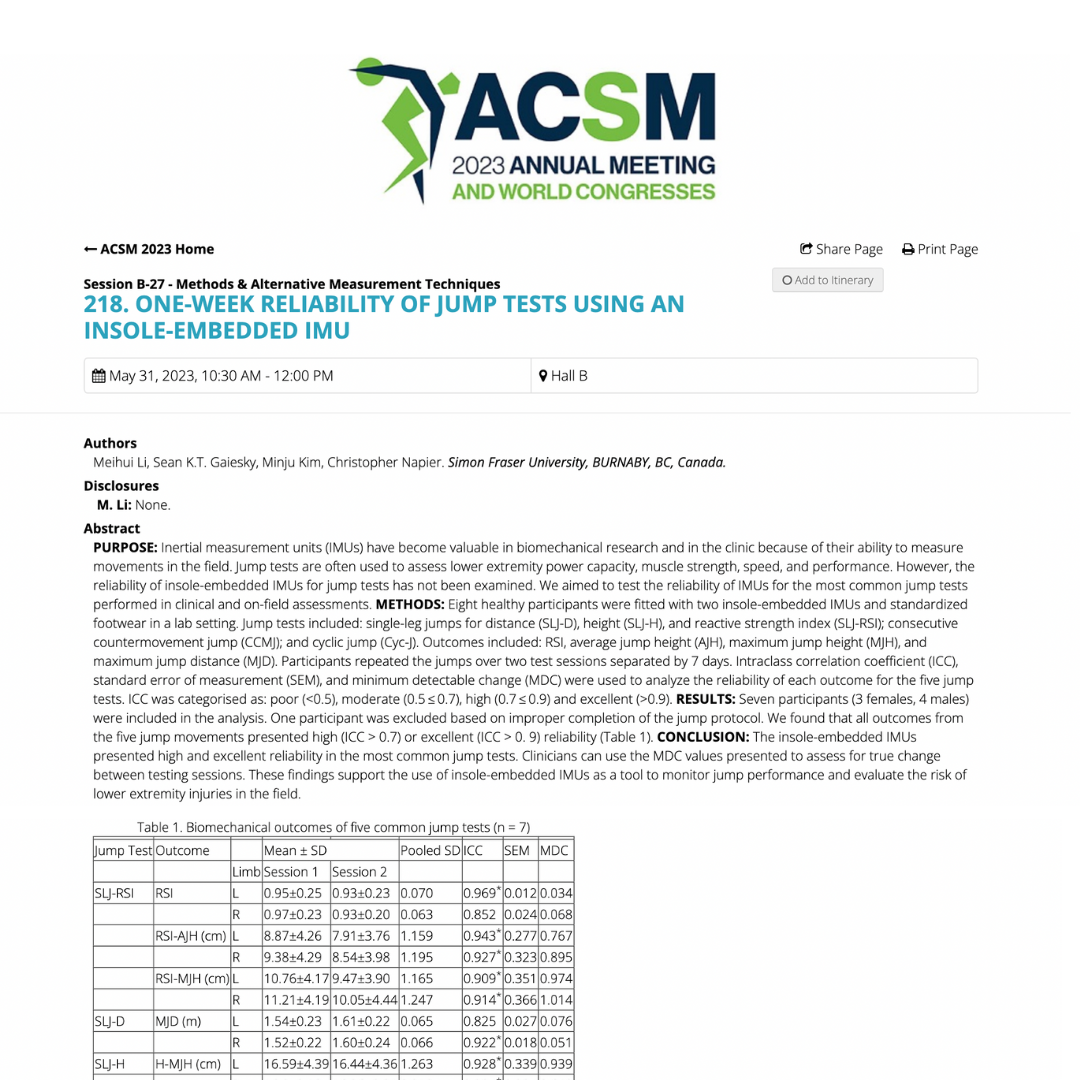
Plantiga is the only in-shoe wearable approved by the NBA, NFL, and FIFA. Our place on the NBA Approved Wearables list followed third-party validation at the Fraunhofer Institute. We run internal and external validation studies on an ongoing basis.

Automatic movement detection
Our AI/ML algorithms detect different movement sub-types and run different computations to pull out the relevant metrics for each movement type.
This means that you get to focus on the sections of data that matter to you.

Human movement is noisy, so our AI stack is layered.
Noise makes it hard to separate real patterns from random variation. Each layer cleans and checks the output of the one before it, so errors don’t compound on the way to a metric.
The metrics
Data quality underpins everything.
Before every sensor is shipped, it’s calibrated and tested for reliability, and a post-processing framework of machine learning + Kalman filter based solutions detects and corrects sensor drift and bias.
Key metrics for each activity group are listed below:
-
Gait Speed
Cadence
Distance Travelled
Stance & Swing Time
Swing Time Variability
Single & Double Support Time
Push-Off & Impact Accelerations
Gait Asymmetries
AthleteLoad™ & Intensity
Step Count
Number of Rests
Activity Duration
Load Asymmetry
-
Speed (CoM)
Cadence
Flight Time
Ground Contact Time
Flight Ratio
Push-Off & Impact Accelerations
Peak Acceleration
Gait Asymmetries
AthleteLoad™ & Intensity
Activity Duration
Load Asymmetry
-
Jump Height
Jump Distance
Reactive Strength (RSI)
Air Time
Ground Contact Time
Push-Off & Impact Accelerations
AthleteLoad™ & Intensity
Jumping Asymmetries
Note that all metrics are computed after data upload.
Recorded activities can be recomputed at any time. This means that when Plantiga develops new metrics, data can be retroactively recomputed to include the new metrics.

