
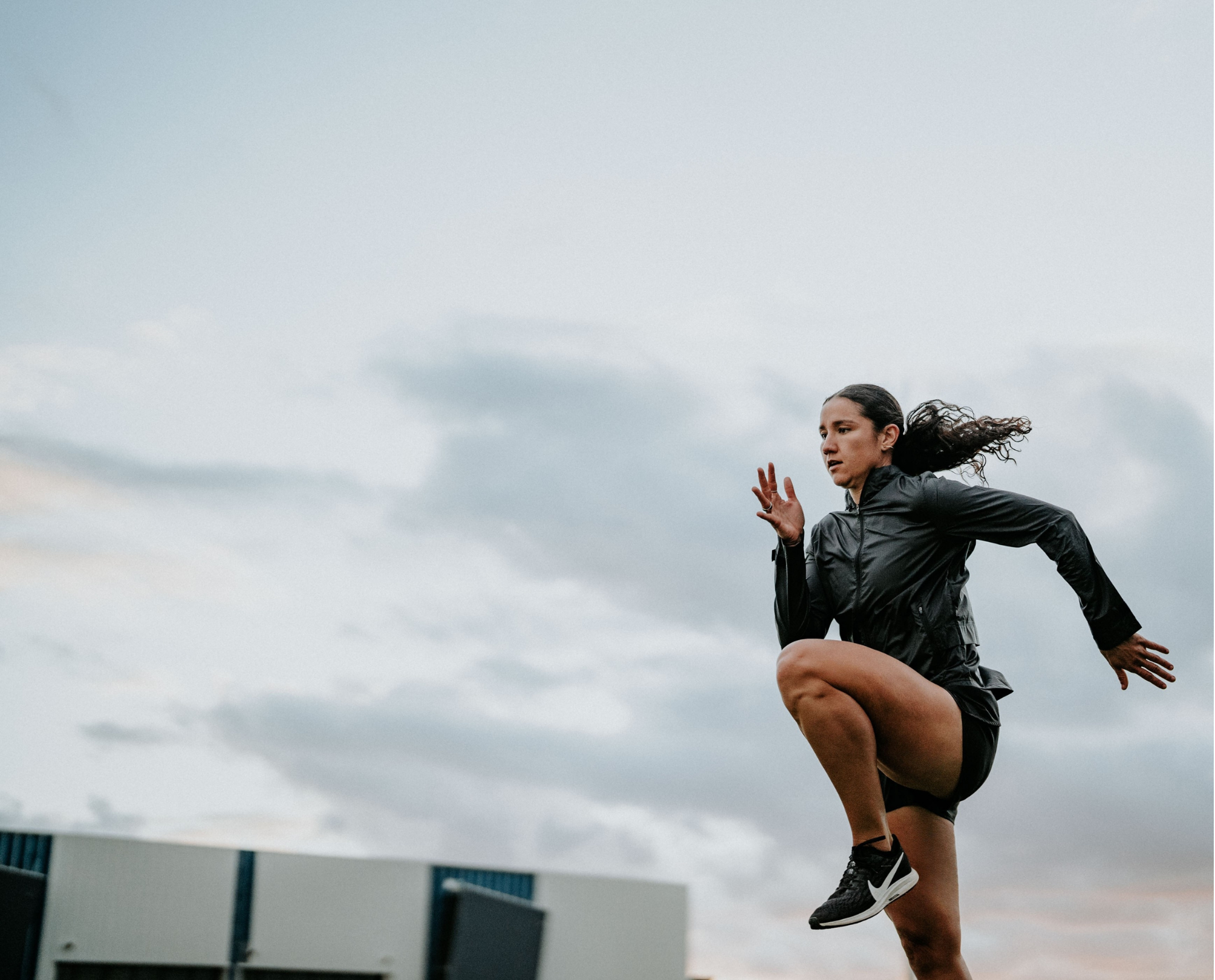
When you can’t afford another injury.
Managing injuries after athletes are cleared is a nonnegotiable. It’s not just about load. It’s how movement responds to load. Analyze them together — on-court, on-field, on-ice.
START WITH ONE ATHLETE - SCALE AS NEEDED.
Built for the athlete you’re progressing right now.
-
Games stop being a blind spot
See how each leg handles full minutes, whether they’re just back or managing an old injury.
-
Progressions run on numbers
When someone pushes for full load early, you have more than a gut feeling, and everyone gets the same update.
-
Every decision backed by data
If they break down, you can show what you saw and why you progressed.
Powering Health & Performance Teams at 600+ Organizations

















Understand how they actually move.
Where they actually play.
After clearance, load is only half the question. The other half is how their movement responds to it. Most monitoring tools capture either load volume or movement quality. Select a tool to see what it measures.
Track distance, speed, and accelerations from position data. See how much an athlete moved, but not how they moved.
- Load
- Measured
- Quality
- Not measured
Every other tool tells us what the athlete did. Plantiga tells us how they did it, on the court, where it matters most.

Research-grade sensors.
Integrated seamlessly into the athlete’s own footwear.
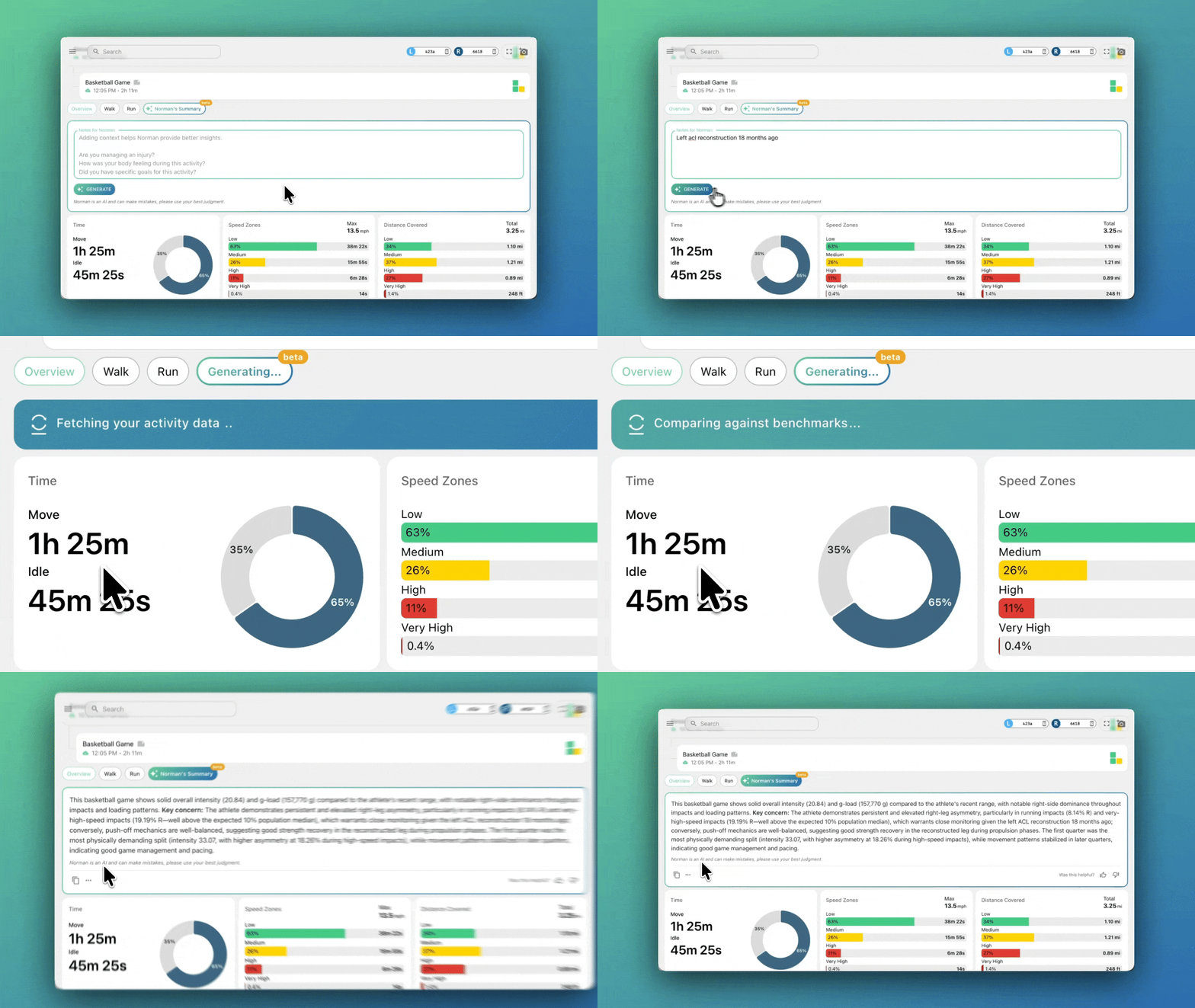
Meet Norman, your AI sport scientist
Norman does the heavy lifting for you and summarizes each session in plain English.
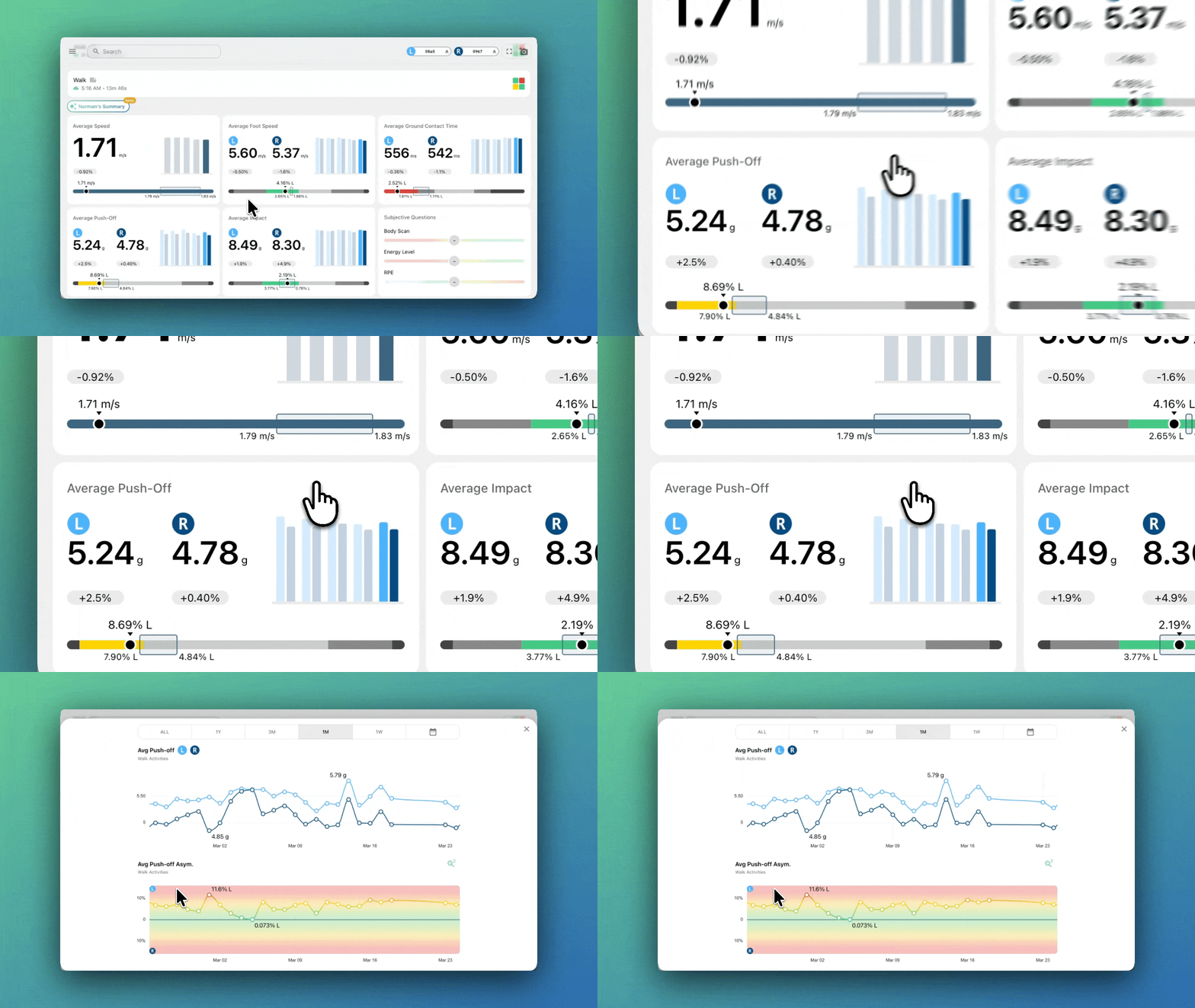
The metrics that matter, at a glance
Key metrics of load and quality, surfaced to you in the context of population norms and the athlete’s own typical range.
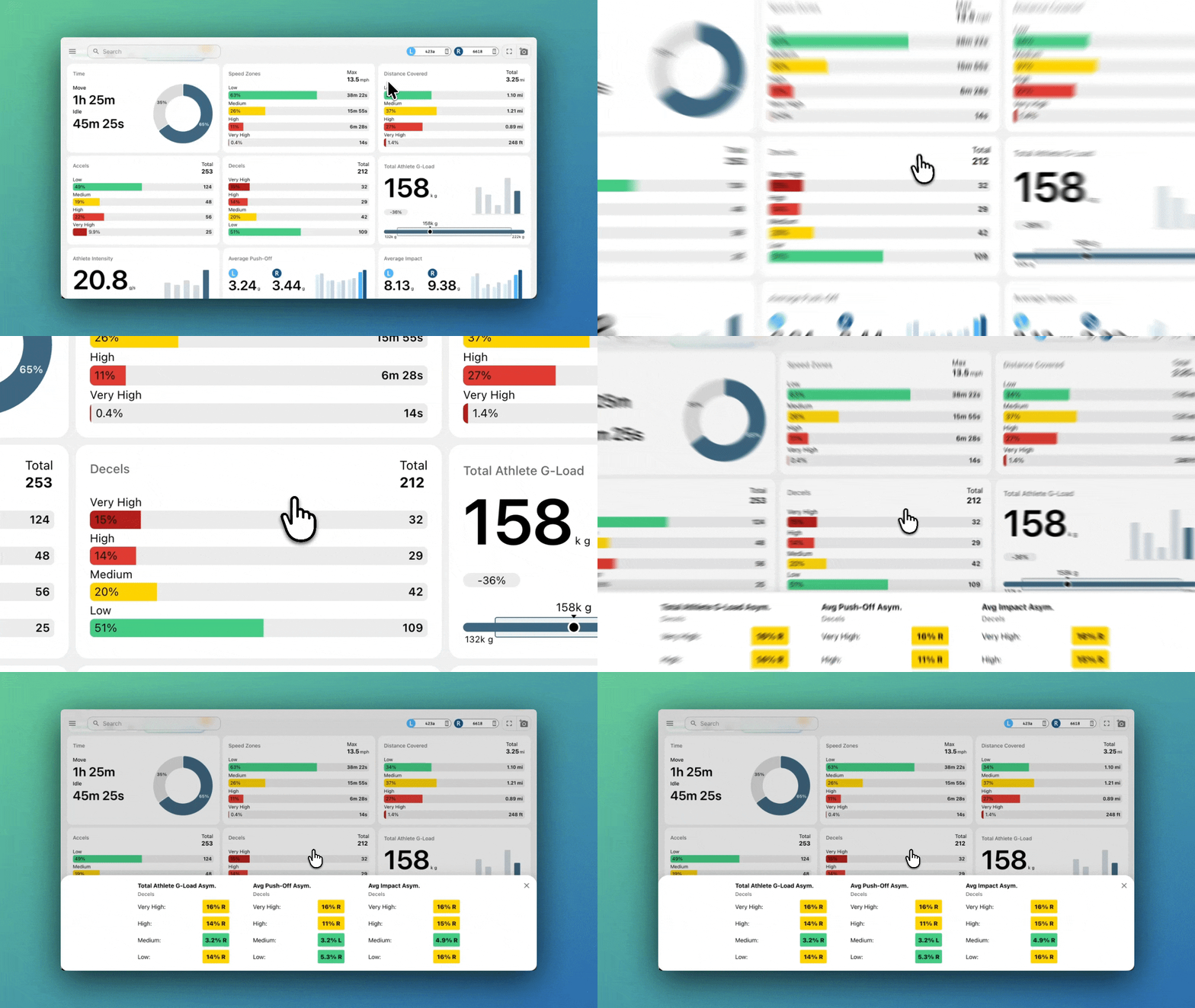
Asymmetries, split into intensity bands
Go beyond counting accelerations and decelerations. See the asymmetries in each intensity band to know where your athlete is compensating.
What we hear from practitioners when they reach out to us:
"He's skating, he's lifting, but there's still asymmetry there. We have no eyes on the ice, and that's where it counts."
Head of performance, NHL team

"She's playing 34 minutes a night on a knee that's already been done once. All I have is force plates, and the games are where it matters."
Performance staff, WNBA team

"GPS says his high-speed running is back. It doesn't tell me how that side is functioning. Last time we found out when it tore."
Head of performance, Premier League team

"She's nine months post-op and back on the court. We're trying to quantify how much she's favoring the healthy side."
Athletic trainer, NCAA Division I women's basketball
"He's cleared and playing Sundays, still managing that foot. Catapult gives me volume, not how that side is braking."
Performance staff, NFL team

"Are the last six minutes of practice worth it when his mechanics fall apart? Our LPS shows center of mass, not actual biomechanics."
Performance staff, NBA team
Start collecting data in minutes.
Sensors go into the athlete’s own footwear. From there, every practice and game is measured without changing how they train.
Easy setup
Download our app, plug in the dock, and charge the sensors. The sensors then go inside the insole, orthotic, or shoe/skate.
Movement, not pressure
IMUs sampling at 500 Hz, trained on 150 million steps to read how a leg moves, not how hard it presses on the ground.
Works beside what you already use
Keep your force plates and GPS. Add Plantiga as a real-world movement quality layer.
Norman reads every session.
An AI is as good as the data it's fed. Norman is fed with our own proprietary 150 million steps from 13,000 athletes. With the context you provide, it knows the injury and what to watch for from day one. Then it reads every session against the athlete's own baseline, flags when one side starts doing more of the work, and summarizes it in plain English. Then you make the call: push, pause, or pull back.
FAQs
-
No problem, we can retrofit nearly any custom orthotic. You ship us the pair, we mill the cavity, and overnight it back in two days. Or tell your lab (Foot Management and Foot Care Express already build for us) and they will create a new custom orthotic with the cavity in at the mold level.
We charge $150/pair for orthotic retrofits.
-
We get it - everybody has comfort preferences, and if your athlete isn’t comfy, they won’t wear the sensors no matter how valuable the data is. We can retrofit nearly any off-the-shelf insole, custom orthotic, or shoe to hold our sensors.
We charge $150/pair for retrofits.
-
Yep, we can connect to whatever AMS you are using. You can also download data directly from our web platform.
-
Our lead time is 7 days from purchase.
-
Start by following the setup steps in our Plantigapedia. Our Applied Sport Science Team will then be available for Data Dives and you can email support@plantiga.com at any time with questions or issues.
Best-in-class data.
The only in-shoe wearable approved by the NBA, NFL, and FIFA.



Built for rehabbing lower body injuries, and managing them once the athlete is back.
Hip, knee, ankle, foot. 13,000+ athletes have worn Plantiga, which is where the benchmarks come from: what a return looks like by sport, injury and position, at the elite level. Athletes and the practitioners who care for them use it across sports, leagues, teams, and continents.
FOR ATHLETES
Coming back on your own?
Same sensors, same data presentation. You wear them and share it with whomever you trust with your body. One license, hardware included.
One athlete.
Three months.
There’s a window after clearance when the athlete steps back into competition and the tools that measured them stay in the lab. One pair of sensors in their own footwear covers it.
Force plates cost more than five years of Plantiga, and the athlete has to come to them. Plantiga goes where they go.
First case: one athlete, three months
$600
- One pair of sensors + full access to the software
- Accelerations, decelerations, load, and asymmetry captured in every session — on-field, on-court, on-ice
- Norman summaries in plain English
- An onboarding call with our applied sports scientist
- Email and phone support
Start with one. Add more when you need them.
Add a unit when a new case comes up, pause one when an athlete is through. Pay by the month or by the year.
One athlete
The first case. See above. Collect as much as you want: every session, every step, no cap on the data you pull.
Add as needed
One unit per athlete you're actively collecting on. Add when a case opens, pause when it closes.
Full roster
Outfit everyone whenever you're ready. Volume breaks after 10 units. See team pricing
Tell us about your athlete.
Spend 20 minutes with one of our applied sport scientists, who will tell you whether this is a fit. Sometimes it isn't, and we'll say so.