
BASKETBALL

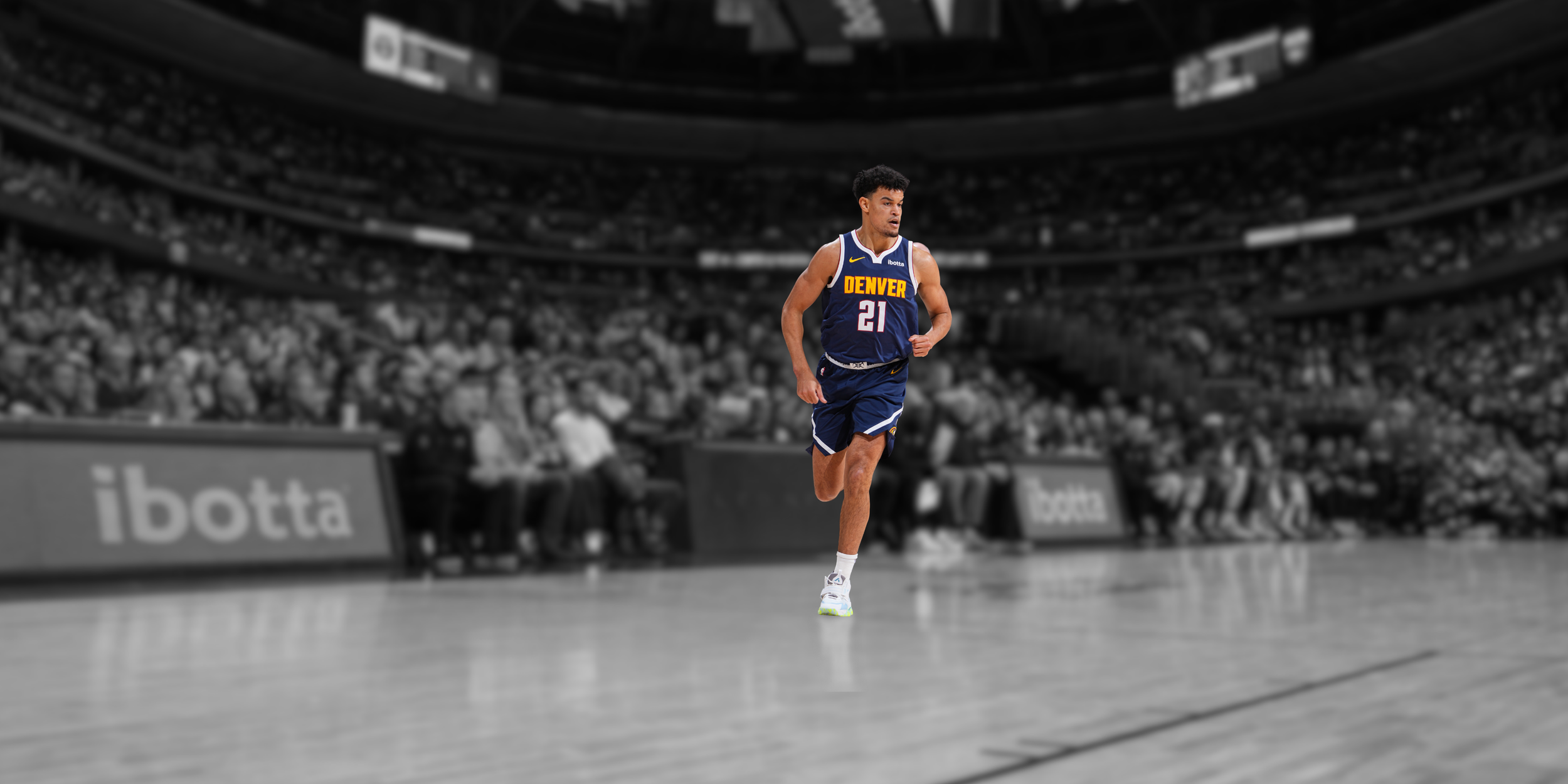
Spencer Jones, Plantiga Ambassador
Plantiga gives basketball practitioners and athletes a complete view of movement.
On the court, in the gym, and during structured testing.

MAIN USE CASES
Optimize training stimulus and recovery balance
Track daily training load accumulation per athlete
Monitor acute:chronic workload ratios
Identify athletes exceeding safe load thresholds
Adjust training plans based on objective data
Prevent overtraining and optimize adaptation
Load Management
Reduce injury rates with early risk detection
Detect biomechanics changes before injury onset
Monitor loading asymmetries and imbalances
Track fatigue-related movement quality decline
Implement targeted interventions for at-risk athletes
Document injury prevention program effectiveness
Injury Prevention
Clear athletes confidently with objective criteria
Establish pre-injury baselines for comparison
Track rehabilitation progress quantitatively
Monitor limb symmetry restoration
Test sport-specific movement patterns
Support medical clearance with hard data
Return-to-Play
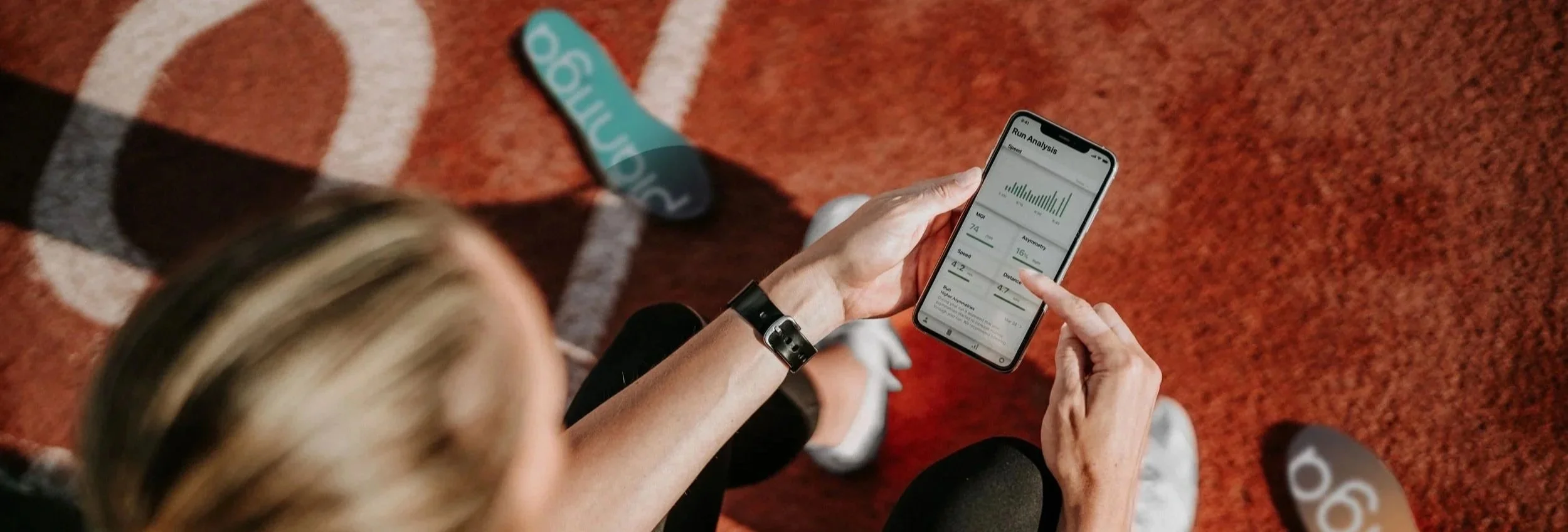
Enhance movement efficiency and power output
Analyze biomechanics of key performance movements
Identify technical flaws limiting performance
Track response to coaching interventions
Compare athletes to position-specific benchmarks
Quantify improvements over training blocks
Performance
FEATURED CASE STUDY
From Baseline to Game Day
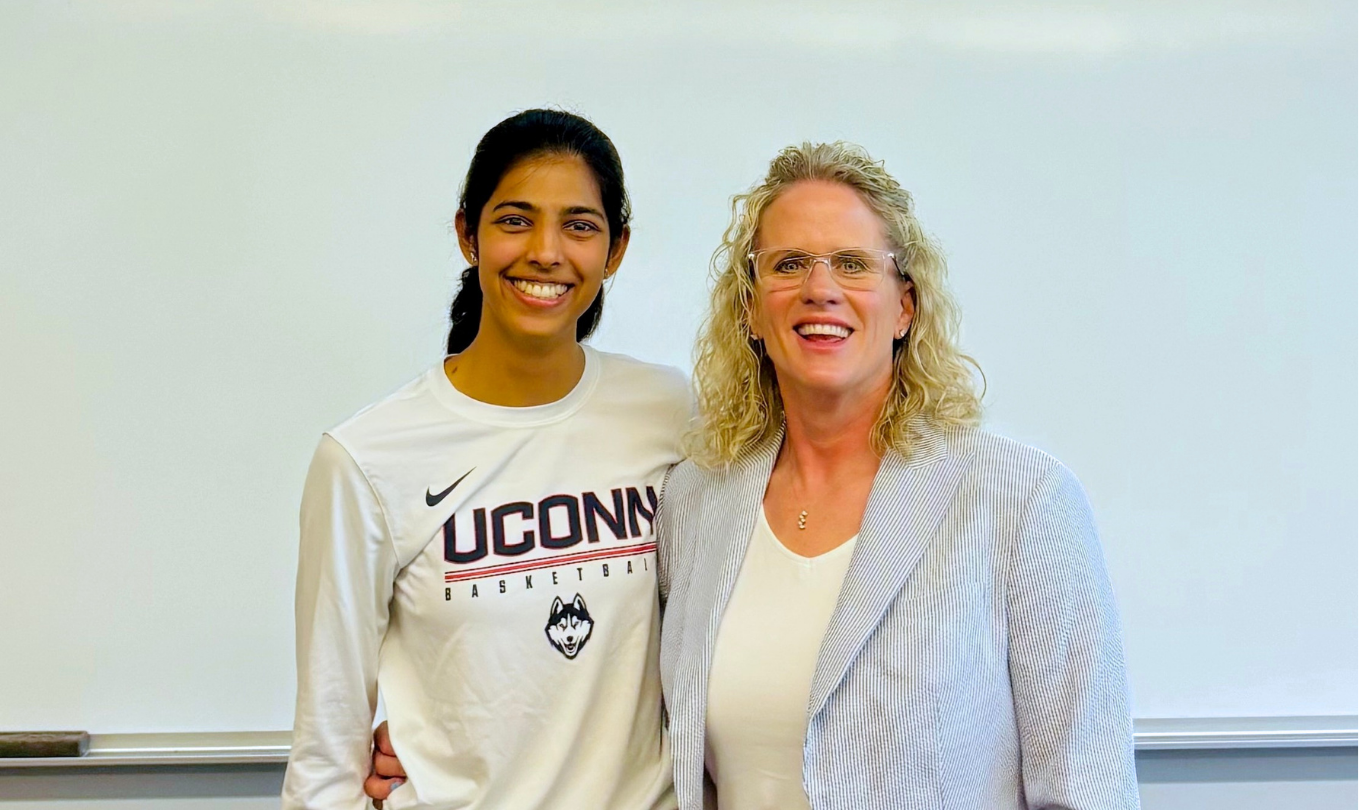
How Hudy & Jui, the performance team for an NCAA Div 1 women’s basketball team, built a season-long movement intelligence system
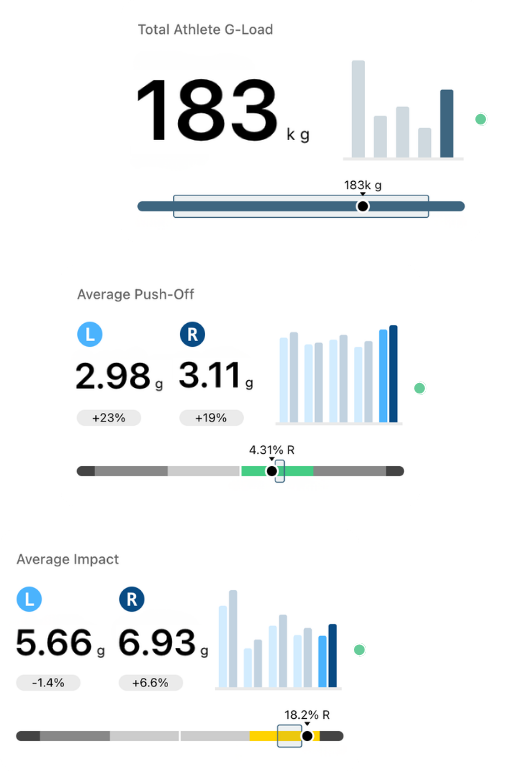
MAIN METRICS
+ over 100 other metrics, automatically computed
NORMAN: OUR AI SPORT SCIENTIST
Movement Detection
Norman's complex algorithms automatically pull out walking, running, and jumping movements from real-world activity. This allows you to break down patterns as they happen in unconstrained environments.
Typical Range Flagging
Norman creates unique personal baselines for every athlete, based on their own data, and flags when metrics go outside of typical ranges. This allows you to asses when things are changing so you can stay ahead of potential issues.
Actionable Summaries
Every session, summarized. Norman breaks down each training session in plain language — what happened, how it compares to last week, and what's trending over time. Weekly digests give you the full picture without the spreadsheet.
HOW IT WORKS
No cameras. No lab. No disruption to practice.
Plantiga slots directly into your existing workflow.
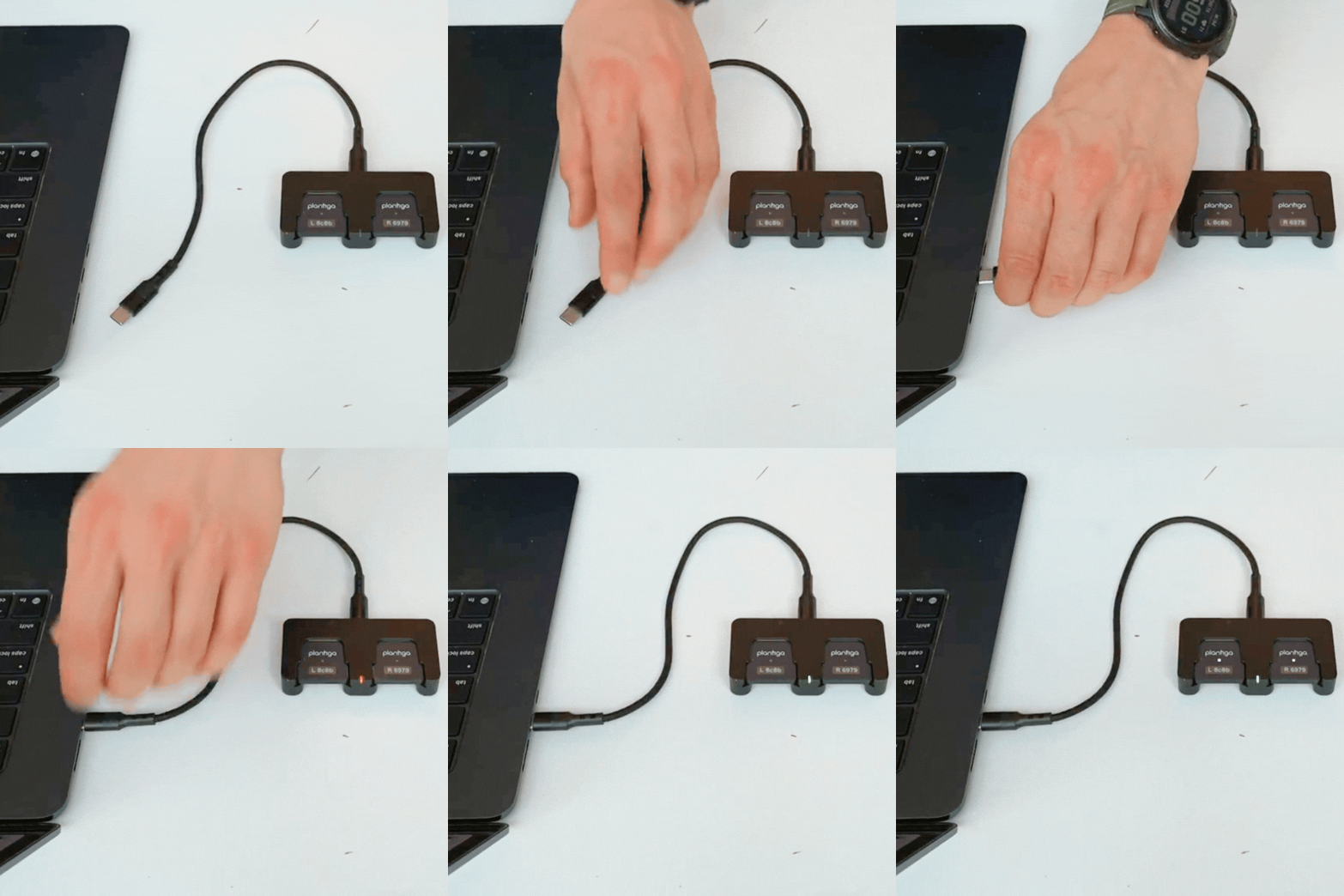
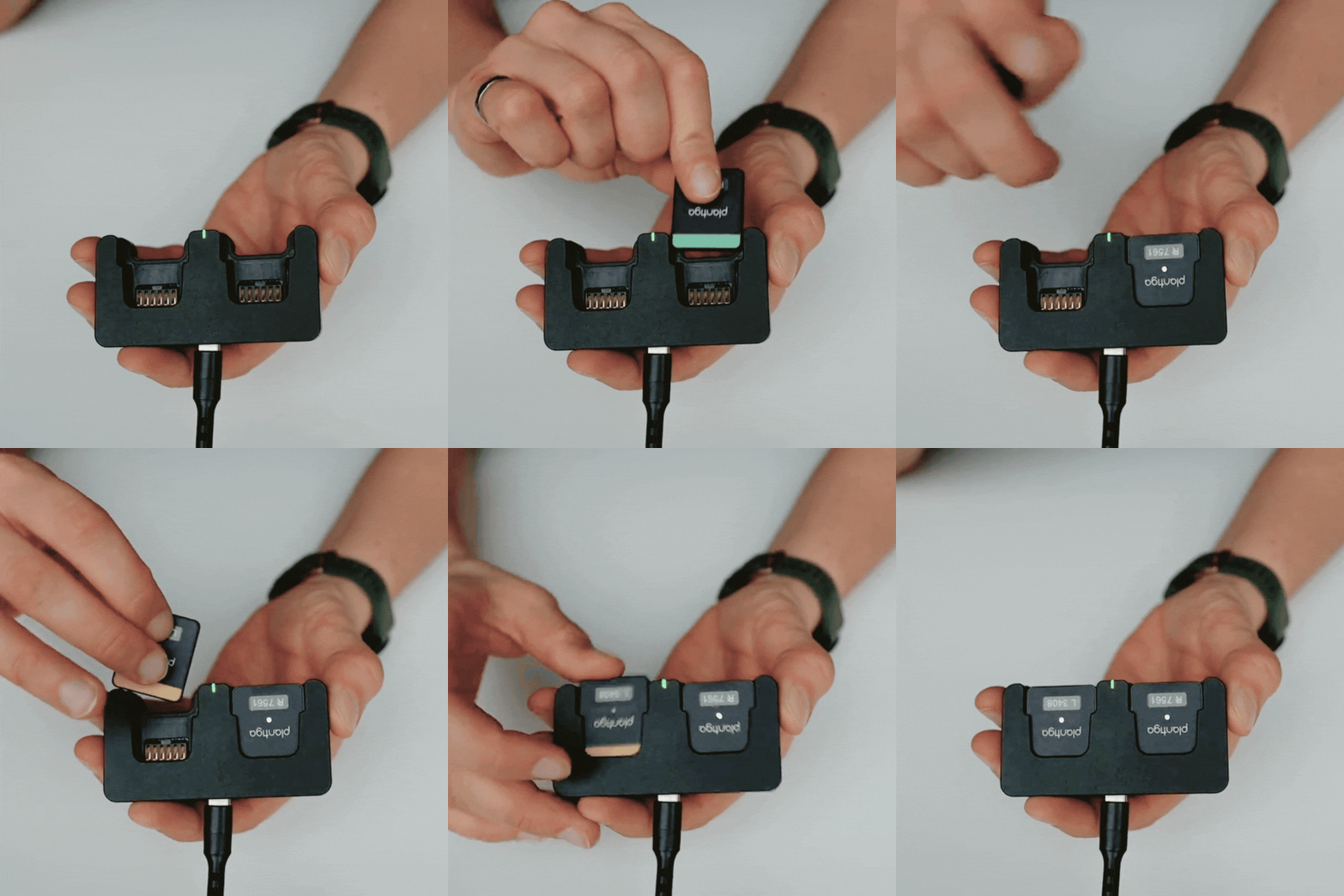
Charge
Connect the pods before your data collection.
A full charge will enable 8 hrs of data collection.

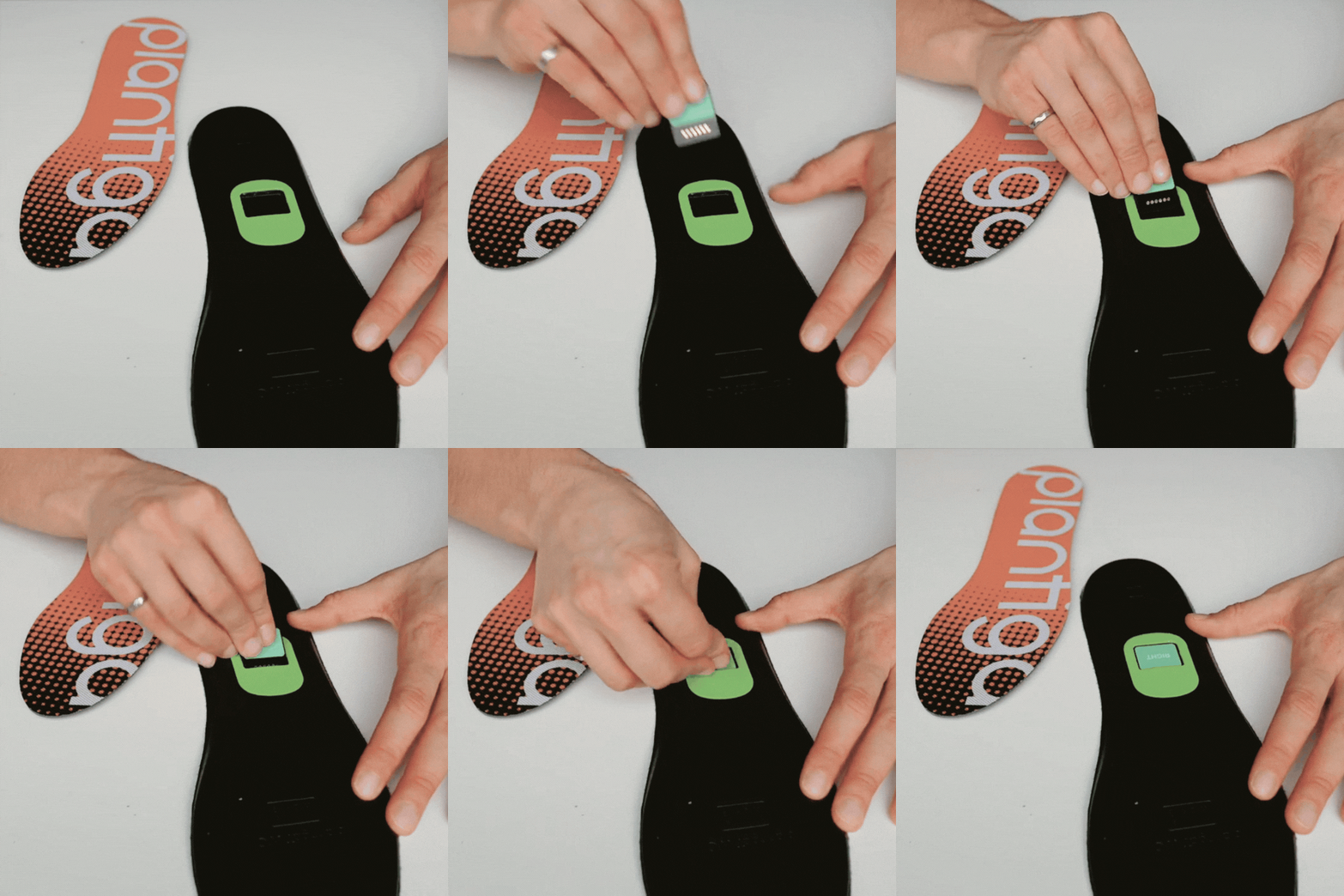
Insert
Slide the pods into the insoles and put the insoles into your shoes.
Collect
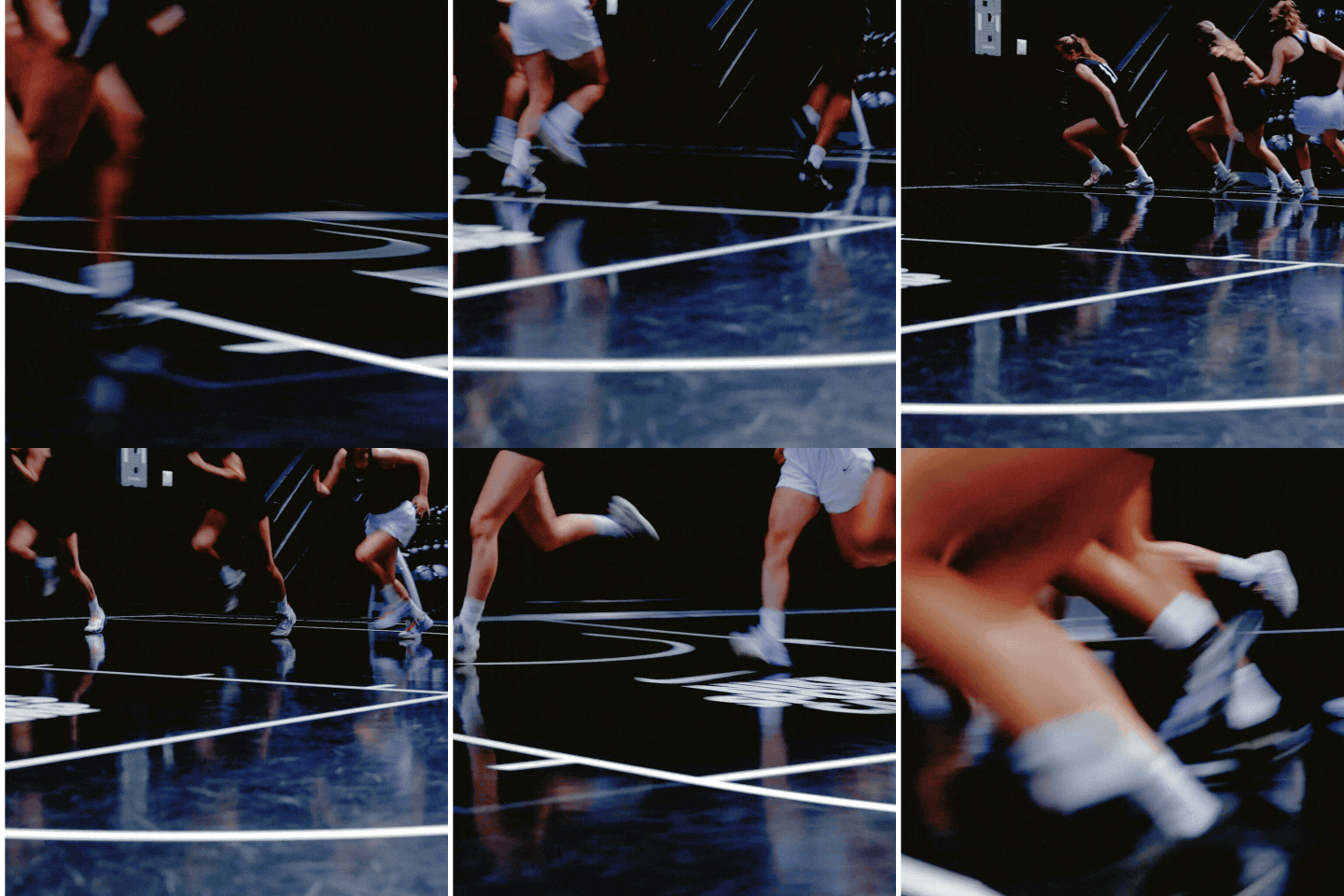
Play, practice, compete.
Upload
Return the pods to the dock to upload the data and charge for next use.
Action
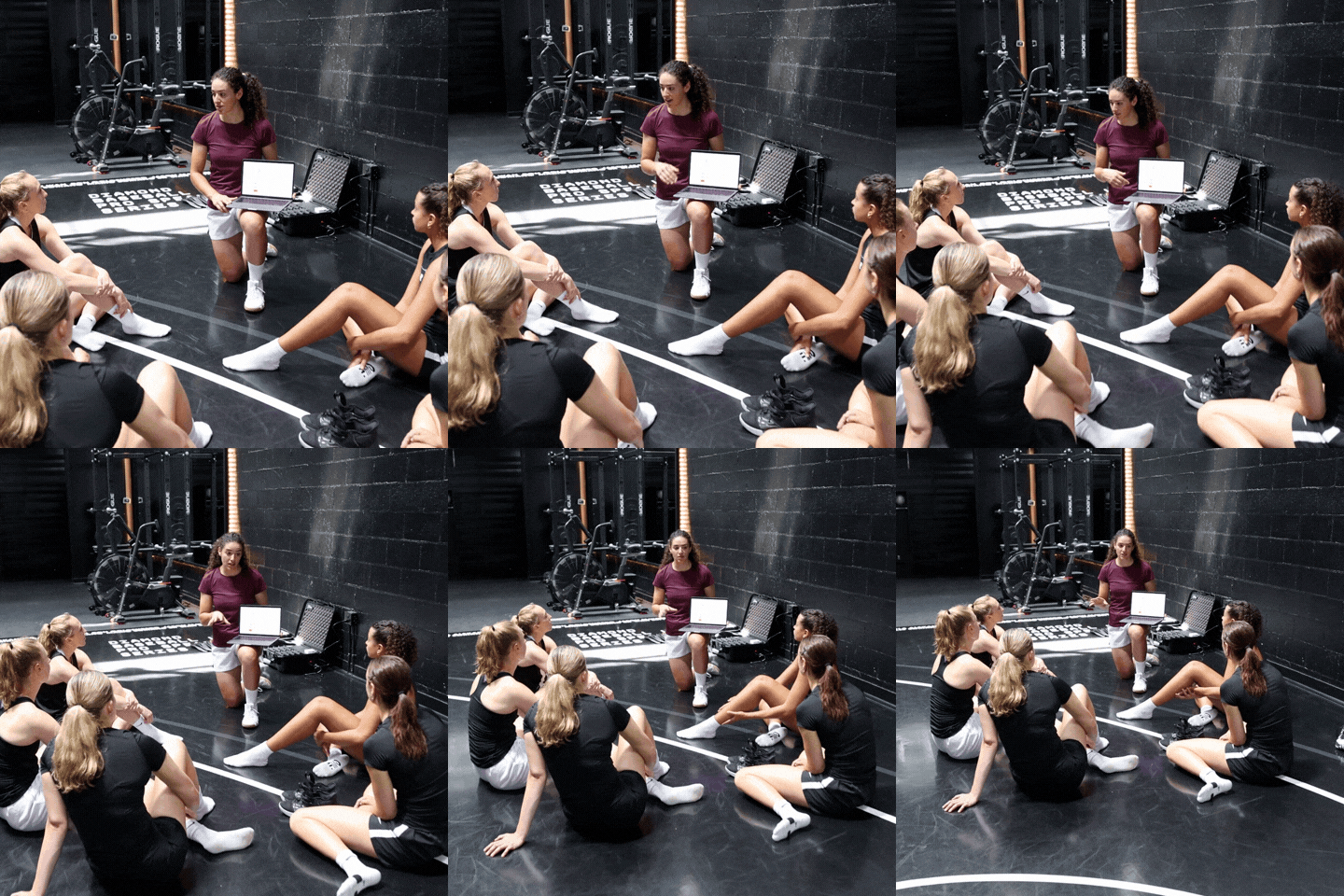
Review the data, share reports, and make informed decisions.

Frequently Asked Questions
Still have questions? Take a look at the FAQs or reach out anytime. If you’re feeling ready, explore the platform.
-
Yes, Plantiga is on the approved wearables list for both leagues.
-
Typically under two minutes per athlete. Athletes put the pods into their shoes and go. There is no calibration routine, no special court markings, and no external cameras to position. Most teams build it into their existing pre-practice warm-up routine within the first two weeks of use.
-
GPS systems measure where athletes go and how fast. Plantiga measures how the body accomplished those tasks. GPS can tell you a player ran 4.5 miles. Plantiga tells you that their impact asymmetry increased by 12.7% from the first to the fourth quarter.
-
Depending on the severity on the injury, we recommend starting the athlete with walking. When they are able to walk with minimal signs of disfunction, they can progress to fast walking, and then running, and then double leg jumps, and then single leg jumps. When they are showing healthy patterns in these controlled environments, they can progress to controlled courtwork, gradually building load and chaos tolerance as their numbers permit.
Each recovery journey is different, and Plantiga allows you to progress your athlete at their own personal pace, based on their own personal movement patterns. Having a healthy pre-injury baseline helps with this immensely.
-
Most programs are collecting meaningful data within the first practice session. Plantiga's onboarding team provides hands-on setup support, staff training, and a customized onboarding plan aligned to your season calendar. Baseline data starts accumulating immediately, and the platform's value compounds significantly once you have 5 sessions, as our AI will create individualized typical ranges for each athlete.
-
Yes, we have custom APIs so you can bring all of our data into your own ecosystem.