Doing More With Less
How Troy Beauregard, a clinic owner and Director of Sport Science, scaled without a team of staff.
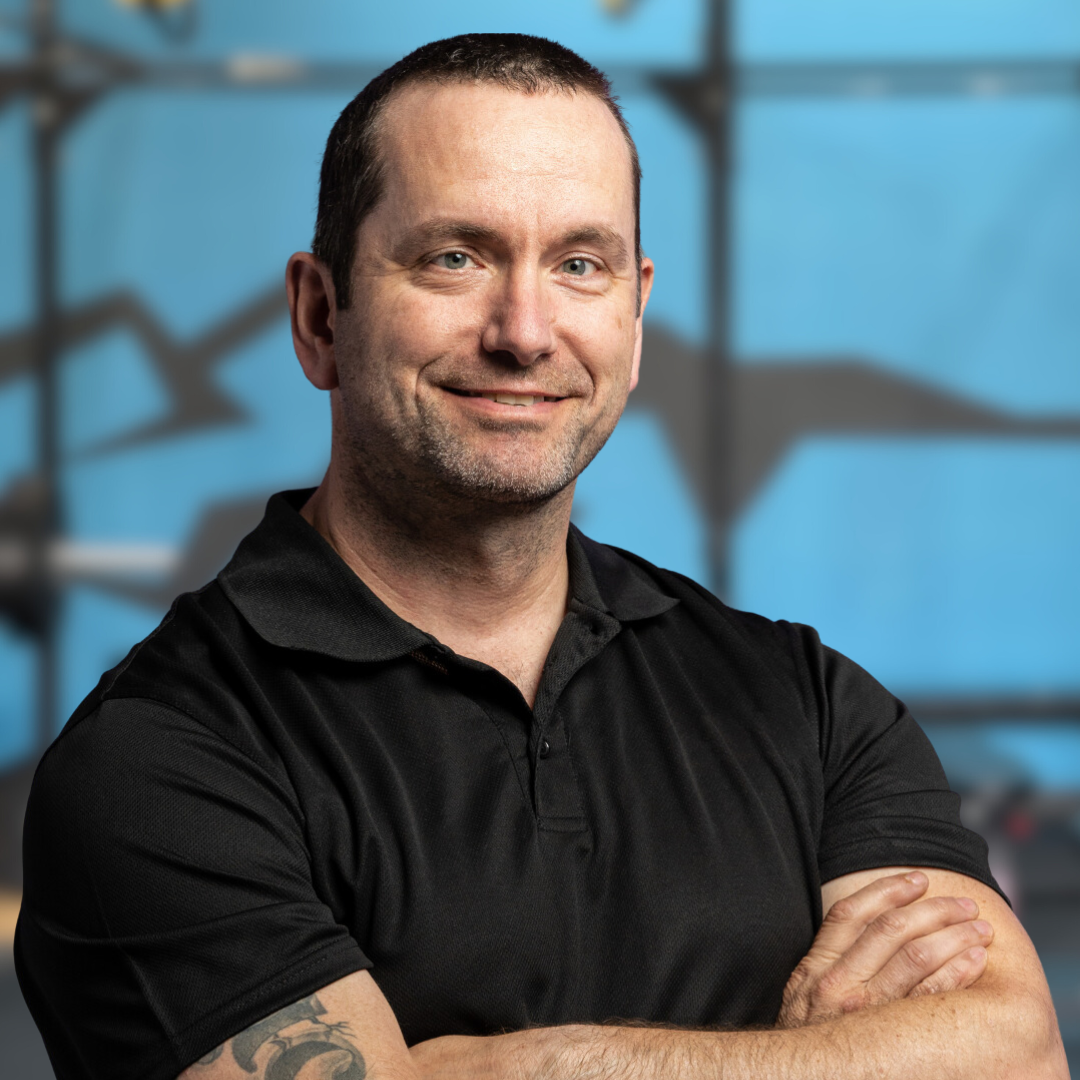
Practitioner
Troy Beauregard
Setting
Elite rehab · Team sport · Private practice
Role
Director of Sport Science & Clinic Owner
Experience
30 years
One practitioner, no support staff
Nearly 30 years into a career in sports science, Troy Beauregard is accustomed to finding creative ways to solve problems and answer questions. As Director of Sport Science for the Sudbury Five, a strength coach, and the sole practitioner behind VO2Peak, he doesn't have the luxury of a full support staff or a lab full of technicians. What he has is expertise, instinct, and Plantiga.
“Efficiency and precision are critical when you’re doing it all yourself. Plantiga has become one of the most powerful tools in my arsenal.”
The case that changed everything
The story begins with Chloe Lacasse — Canadian pro athlete, 2024 Paris Olympian, and one of the most dynamic forwards in the NWSL. A player whose 2024 season included the only hat-trick in the league that year and a Golden Boot with Utah Royals FC, cut short when a collision ruptured her ACL in the final weeks of the campaign. The stakes of her recovery couldn't have been higher.
Managing that recovery both remotely (while she ran on an AlterG treadmill) and in person, Beauregard used Plantiga sensors to track asymmetries and progress with the kind of granularity that typically requires in-person oversight. The data didn't just inform the rehab program; it communicated confidence to Lacasse's professional and national teams, giving them the evidence they needed to sanction much of her recovery at home.
“The data didn’t just inform the rehab program — it communicated confidence to her professional and national teams.”
The moment when rigorous data became the bridge between a solo practitioner and an entire organizational trust structure, marked a turning point. It validated a new model: one practitioner, distributed athletes, and data that was precise enough to stand in for physical presence.
From individual to institutional
That credibility transferred directly to his work with the Sudbury Five, who went on to win the Basketball Super League title — a nod to the standard and consistency of the work Beauregard is driving behind the scenes. Plantiga's in-game workload monitoring became embedded in the team's conditioning protocols, giving Beauregard the ability to make adjustments that previously would have required far more hands on deck.
The results show up in the numbers. One athlete's Reactive Strength Index improved from 2.46 to 2.87. Jump height climbed from 13 to 19 inches, while ground contact time held steady. These aren't incidental gains; they're the fingerprints of a warm-up protocol refined through objective, session-by-session data. For Beauregard, they represent something beyond athletic performance: proof that precision at scale is achievable without scaling a team.
Combine testing tells a similar story. Where running multiple assessments simultaneously was once logistically impossible for a solo operator, Plantiga collapsed that constraint. What used to take a full day's floor time now runs in parallel.
The longer arc
Beauregard turned 50 this year. That milestone carries its own kind of data; nearly three decades of accumulated knowledge about what sustainable high performance actually looks like, for athletes and practitioners alike.
“I’m incredibly grateful to still be contributing at a high level without needing to spend endless hours on the gym floor.”
It's a statement that resonates differently coming from someone who has spent a career on that floor. Longevity in sports science isn't just about staying current with technology — it's about building systems that extend your reach without burning through your capacity.
Looking ahead, Beauregard is expanding remote monitoring during the off-season, deepening athlete engagement through initiatives like Fast Fridays, and developing Project Game Speed to shape the next generation of performance programming.
What one practitioner can do
The through-line of Troy Beauregard's story isn't technology — it's trust. Trust built through data rigorous enough to influence national team decisions. Trust extended by athletes who embraced tools that initially felt like science fiction. And trust in a system that allows one highly experienced practitioner to operate at institutional scale.
“Plantiga didn’t add to my workload. It multiplied what I could do with it.”
Troy Beauregard, CISSN | Certified Sports Data Analyst | Sudbury Five Director of Sports Science