
Blog

The Biggest Blind Spot in Sport Science: Precision Rehab & Return-to-Performance
The biggest gap in athlete rehab isn't the surgery or the lab work, it's the lack of data once players are back in competition. By filling this gap we can make athletes stronger than they were before the injury.
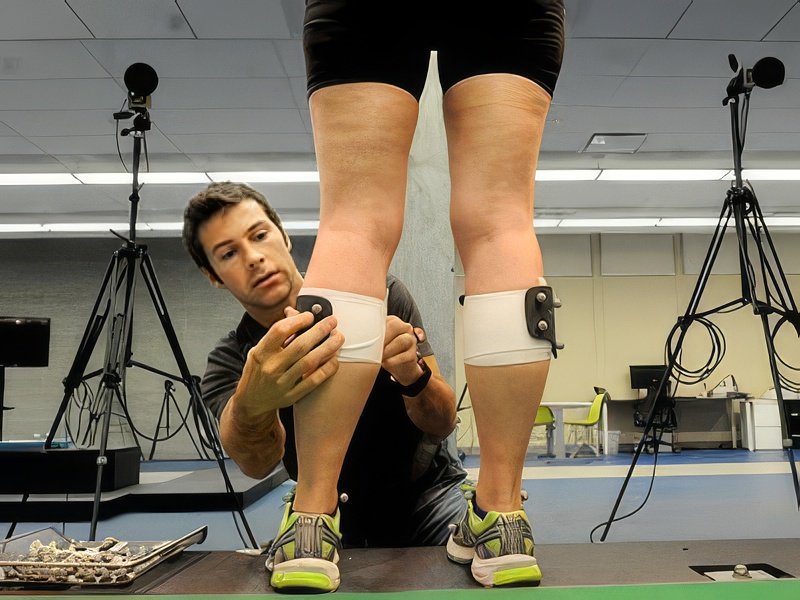
Running by the Numbers
How running physiotherapist, Chris Napier, is bringing lab-grade biomechanics into every assessment.

From Baseline to Game Day
How Hudy & Jui, the performance team for an NCAA Div 1 women’s basketball team, built a season-long movement intelligence system.

The Data Behind the Decision
How Joey Kalbas, Director of Data Analytics at a D1 Tennis Program, stopped guessing and started knowing.

Seeing the Whole Picture
How Professor John Cronin is redefining return-to-sport testing with Plantiga.

Doing More With Less
How Troy Beauregard, a Clinic Owner and Director of Sports Science, scaled without a team of staff.

Understanding g-Load: The Measure of Mechanical Stress on Athletes
g-Load measures the accumulated mechanical stress on the body during movement.

Optimize Performance and Minimize Injury Risk in Soccer
Three ways that one soccer player is leveraging Plantiga to stay ahead of injuries and optimize their game.

Revolutionizing Golf Movement Analysis
Golfers can now collect best-in-class movement data directly on the course.

Time-to-Peak Acceleration vs. Time-to-Peak Velocity: What Performance Coaches Need to Know
Time-to-peak acceleration and time-to-peak velocity provide insight into the different capacities of different athletes. Coaches can maximize sprinting performance by integrating them into programming.

Improving Jump Performance with Vector Concepts: Identifying Trainable Deficits
Using vectors as a tool, we can identify the necessary movement and loading requirements to maximize sport-specific propulsive patterns and choose appropriate training interventions when there are shortcomings.

Jump Training and Monitoring for Triathletes
Research strongly supports the benefits of adding strength and power training to programs for endurance athletes.

The Reactive Strength Index (RSI)
Reactive strength is a key strength and power ability driving athletic performance. Learn how to use it to train peak performance.