
Blog

Movement Baselines: Understanding Your Starting Point
A movement baseline is a series of activity-specific assessments that, when analyzed together, provide a snapshot of your movement patterns. Baselines are the foundation for performance, monitoring, and recovery plans.

Return-to-Play Decision Making after ACL-R
Addition of jump tests to assess quality of movement to inform RTP decisions

Plantiga from a Practitioner’s Perspective
Learn how Isabel Aldrich-Witt, Physiotherapist at Canadian Sport Institute Calgary, uses Plantiga in her work with athletes with knee injuries.

Why Do We Run?
In 2017, a reported 60 million Americans actively participated in regular, run-focused activities. With the exception of a few social and migratory animals, this seems to be a uniquely human pastime. Why is that?
Walking: the 6th Vital Sign
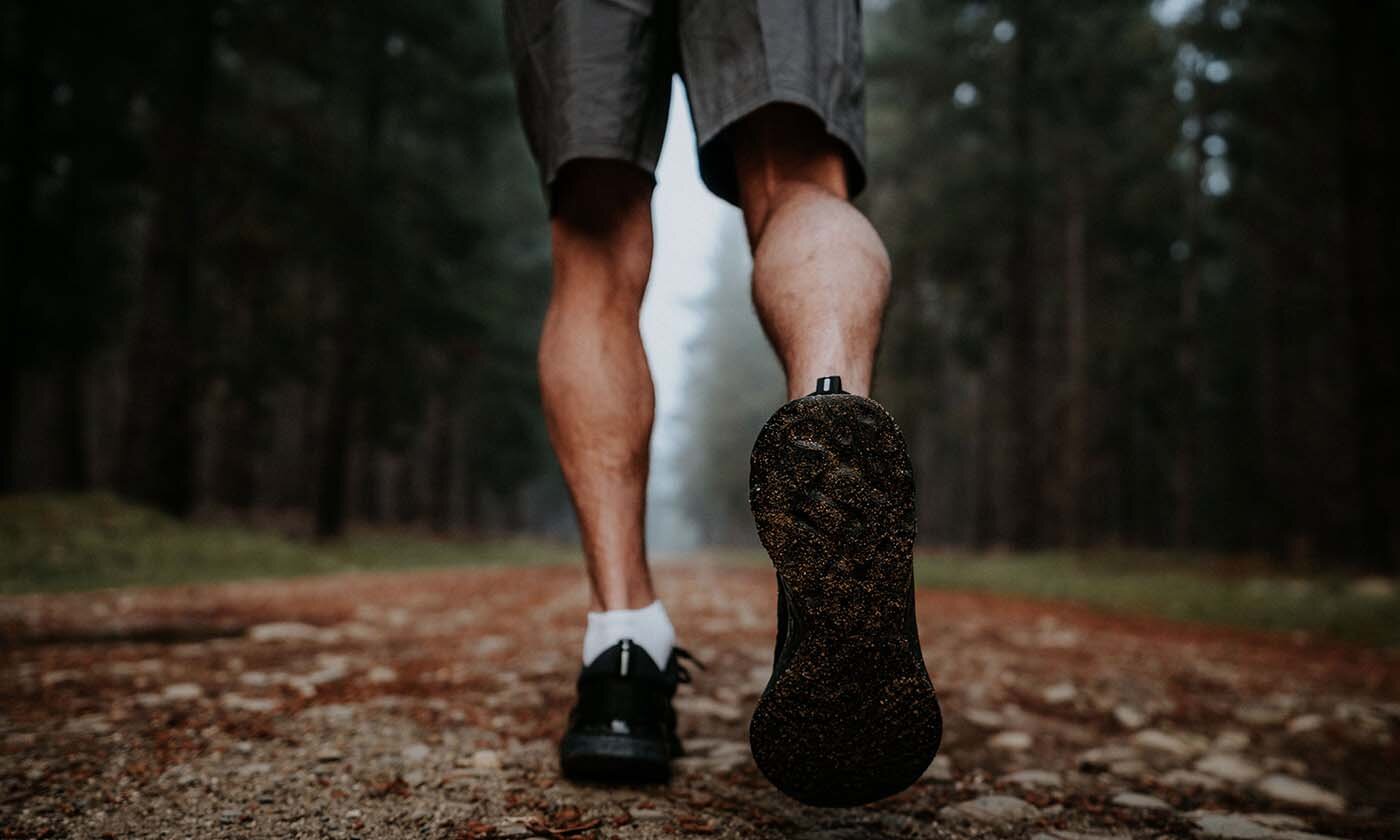
The simple act of walking may seem trivial, but it is one of the most valuable steps we can take for our health (pun intended).

Why does movement matter?
Physical movement drives our health in many ways, yet it’s something we often take for granted. Understanding this relationship is the first step to improving and maintaining our ability to move.
Measuring Movement in the Moments that Matter: A Volleyball Case Study
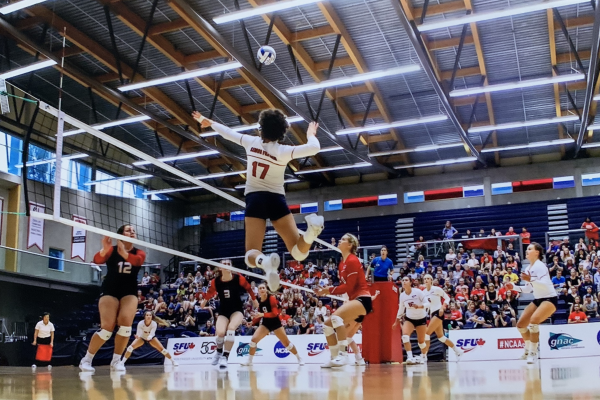
How you move when you are in the heat of the moment? Understanding real world habits and patterns can be the key to performance longevity.

The Value of Quantitative Data: A Chiropractor's Perspective
Dr. Frank Wen of Integrity Chiropractic shares his experience using Plantiga to enhance treatment for his patients.

Treat Injury Prediction like Forecasting the Weather
If you live in the sport performance world, much ado has been made over the notion of “injury prediction”. But what does it actually mean?
Data-Driven Return to Activity
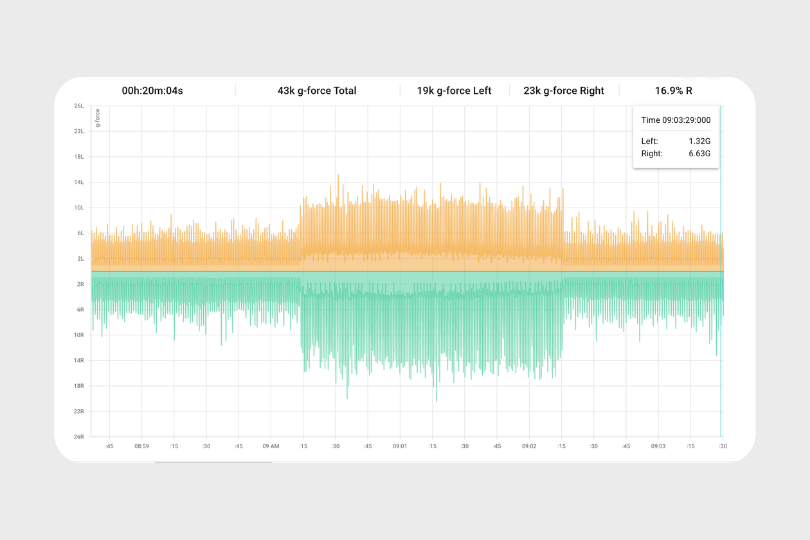
Data review of an ankle surgery rehab from Dr. Kaila Holtz, physiatrist based in Vancouver.

Using Data To Fill In The Gaps
At the end of the day, a practitioner is trying to figure out how a person is doing (progressing, regressing or sometimes just maintaining) and if there are trainable deficits that can be addressed with exercise and treatment.

Musculoskeletal Telehealth
Dr. Kail Holtz, Physiatrist in Vancouver, discusses using tech to help her patients virtually during COVID-19.

Remote Health Monitoring: The New Normal
Remote health monitoring with Plantiga in an uncertain COVID-19 world.
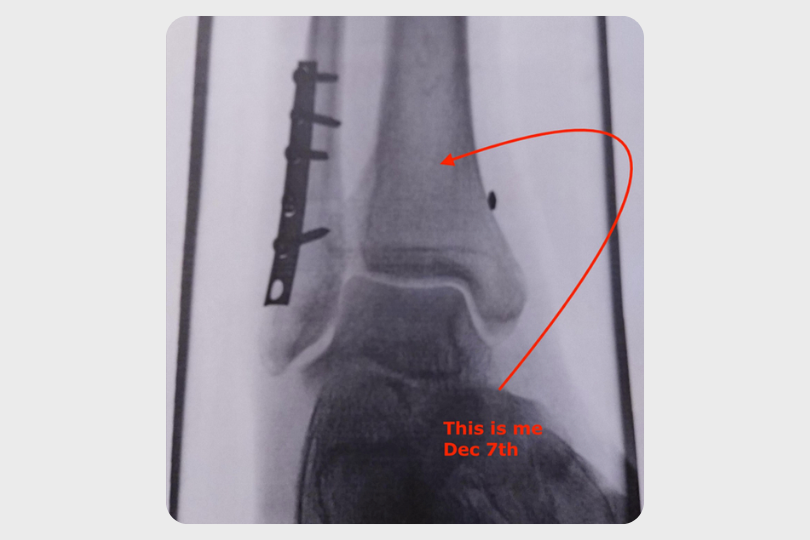
Data-Driven Recovery
Sean Ross-Ross discusses his rehab from a high syndesmotic ankle fracture and how Plantiga supported his journey back to health.
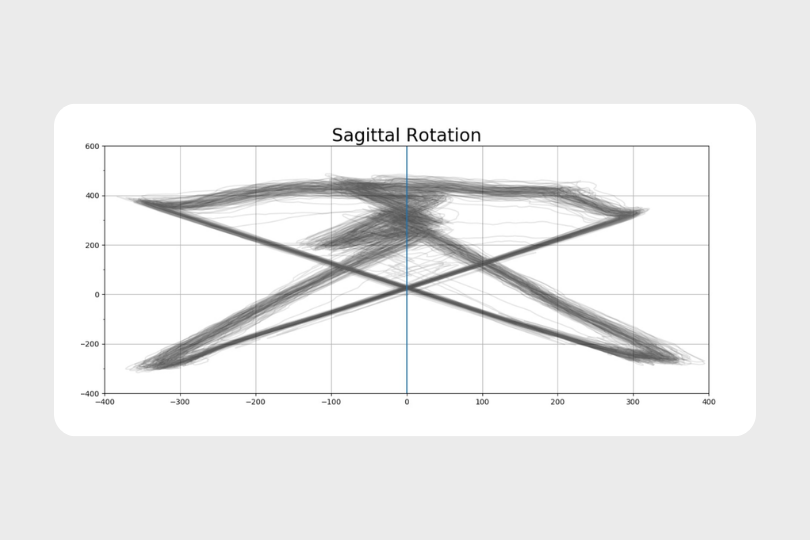
Assessing Asymmetries with Movement Maps
Matt Jordan discusses why measuring in the field is critical for assessing real movement habits and how he uses Plantiga’s Movement Maps to help him do it.
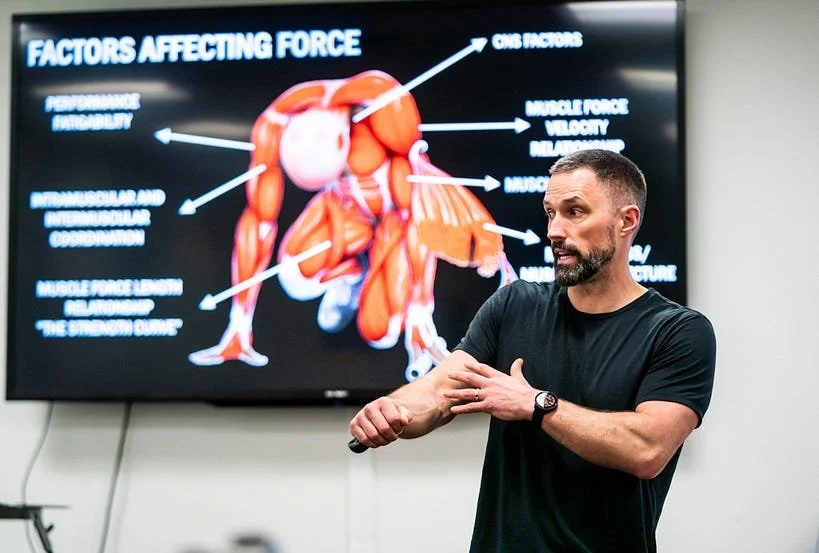
Assessing Functional Asymmetries After Injury
Matt Jordan discusses the marrying of science and coaching with his approach to functional asymmetries.
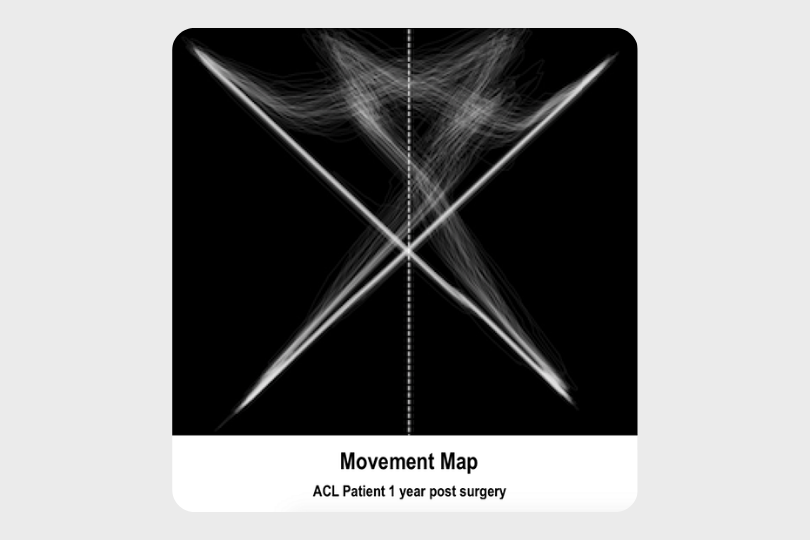
Movement Maps
We’ve launched our newest data visualization tool: Movement Maps. What are they and how can you use them?
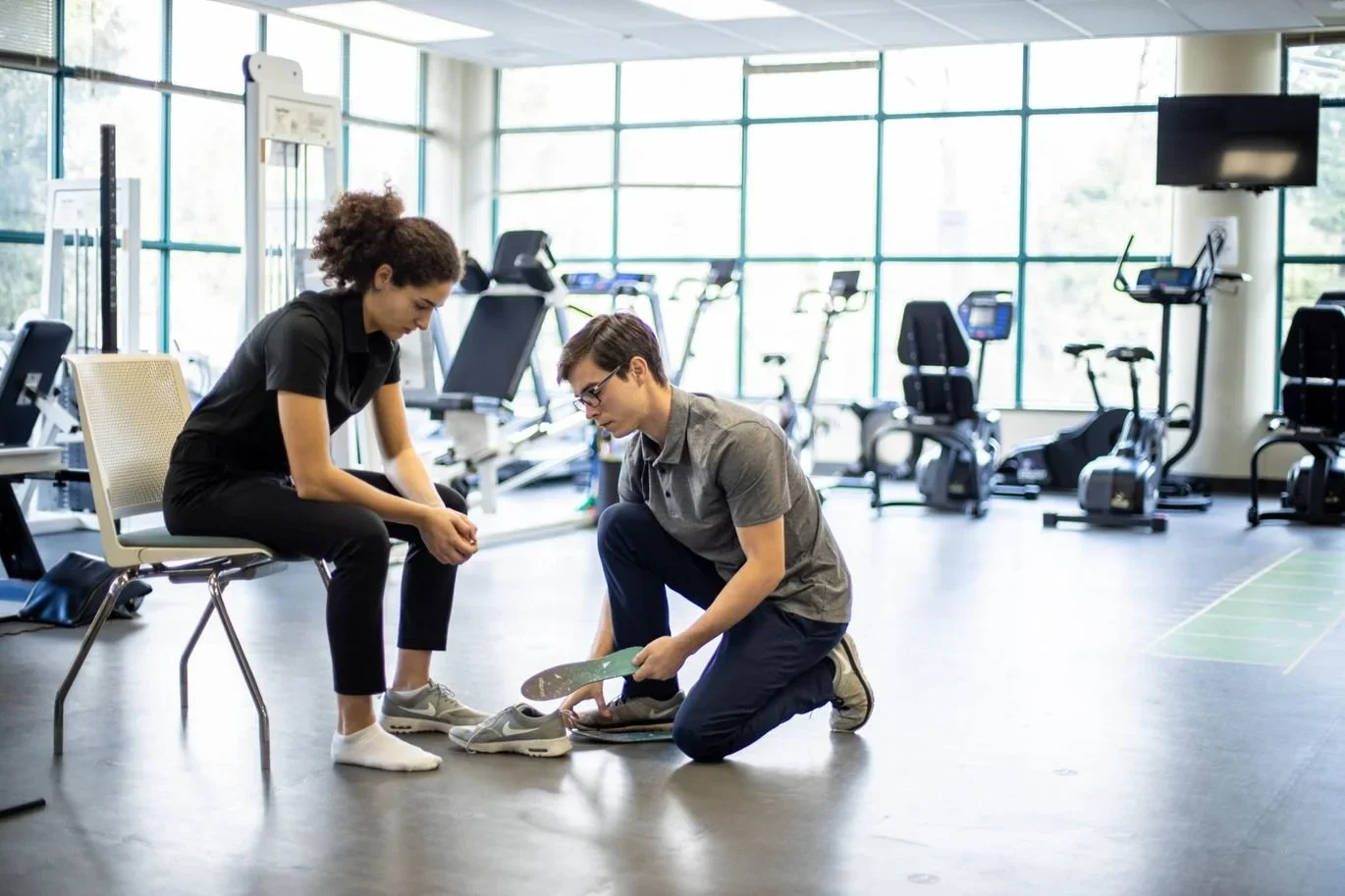
Improved Patient Compliance
How progress tracking help clients SEE the efficacy of your treatment, instead of just operating on blind faith.
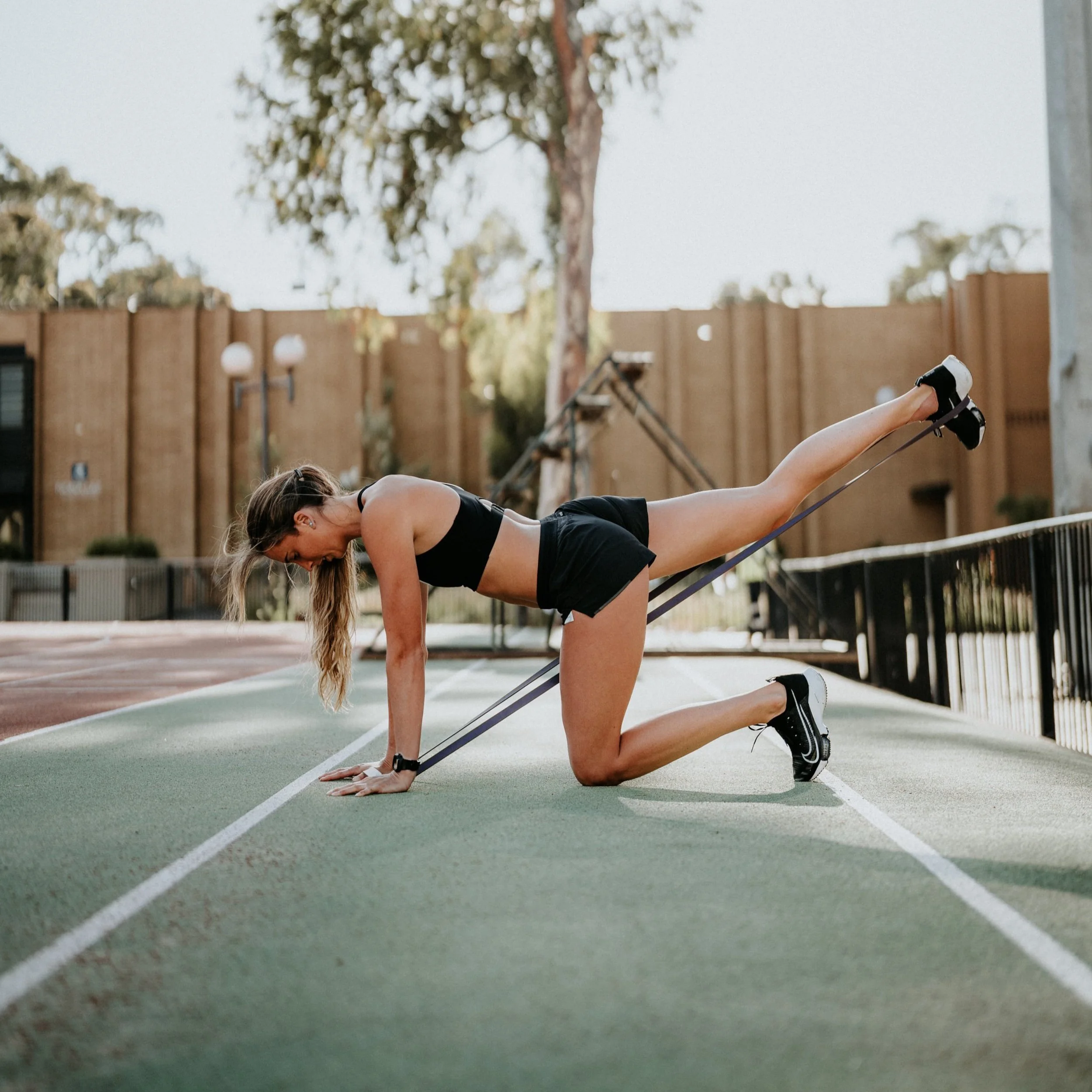
Muscle Complex Deficiencies
How integrating Plantiga tests with conventional RTP tests creates a more comprehensive assessment.