
Blog

A New Lens on Movement Health - Part 1
The first part of this webinar series focuses on the tools that Plantiga has built into the platform to break out of the mold of conventional movement assessment.

A New Lens on Movement Health - Part 2
The second part of this series focuses on implementation strategies for using these tools effectively.

A New Lens on Movement Health - Part 3
The third part of this series highlights various case studies and examples of the Plantiga system in action.

Sherlock Holmes, Heuristics, and the RTS Road Map: Part I
To make injury prediction a feasible endeavor, we need to study the athlete in their environment like it is a complex-adaptive system (because it is).

Sherlock Holmes, Heuristics, and the RTS Road Map: Part II
We all want to focus on the positive, but sometimes, putting too much faith in our ideas and beliefs leads us to miss the deficits that an athlete is presenting right in front of us.

Sherlock Holmes, Heuristics, and the RTS Roadmap: Part III
Rehabilitation goals shouldn’t be limited to just treating symptoms. We need to prepare athletes physically and mentally for the sport-specific demands they will encounter after they return from injury.

Sherlock Holmes, Heuristics, AI, and Plantiga: Part IV
How you can move beyond the “eye test” and Matt Jordan’s favourite rehab metrics for ACL recovery.

The Reactive Strength Index (RSI)
Reactive strength is a key strength and power ability driving athletic performance. Learn how to use it to train peak performance.

Treat Injury Prediction like Forecasting the Weather
If you live in the sport performance world, much ado has been made over the notion of “injury prediction”. But what does it actually mean?
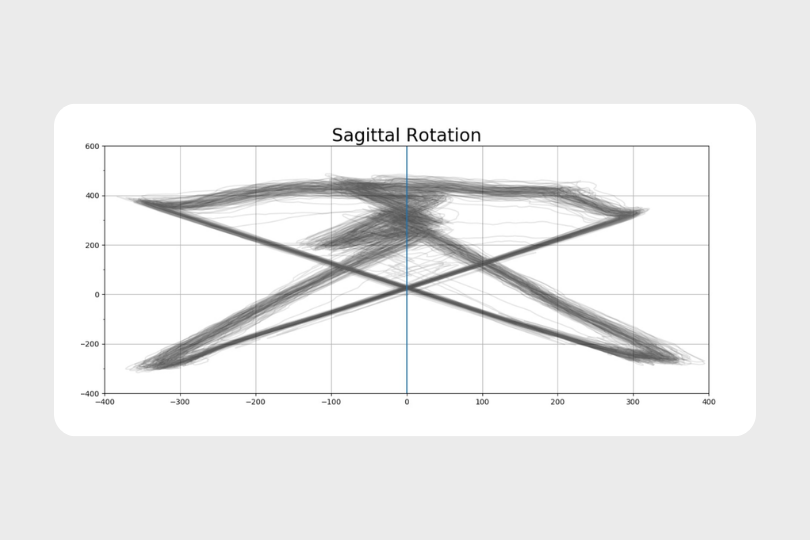
Assessing Asymmetries with Movement Maps
Matt Jordan discusses why measuring in the field is critical for assessing real movement habits and how he uses Plantiga’s Movement Maps to help him do it.
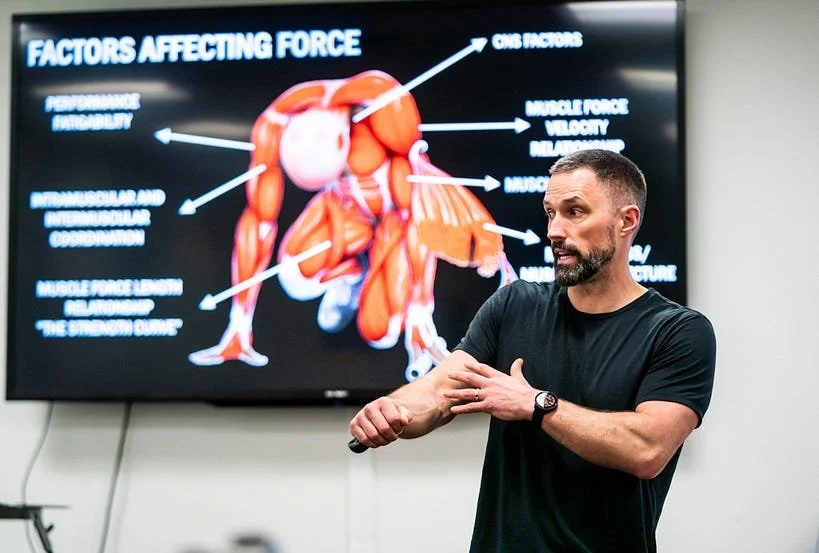
Assessing Functional Asymmetries After Injury
Matt Jordan discusses the marrying of science and coaching with his approach to functional asymmetries.