
Blog

Use Case: Troy Beauregard - Sport Scientist
Take a dive into how Troy has integrated Plantiga into his work flow and made it one of the most powerful tools in his arsenal.
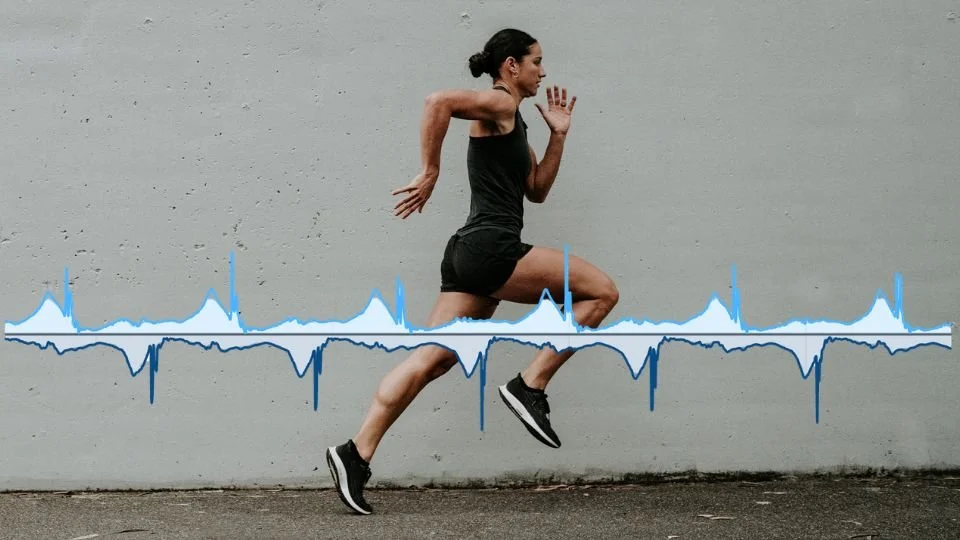
Significance and Application of Movement Data
Movement signatures and how AI is shaping the world of movement health.
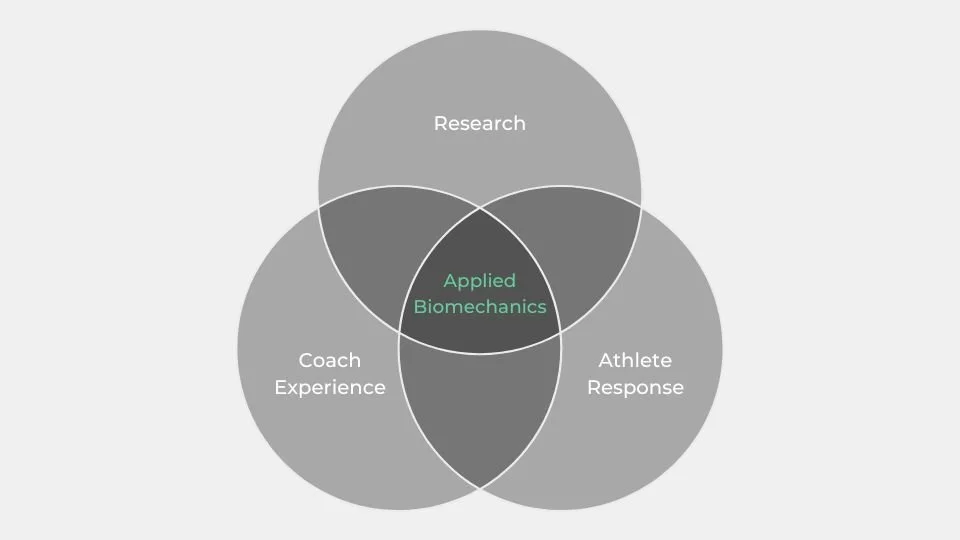
Applied Biomechanics: Building Intuition with Vectors
So how can we actually apply “applied biomechanics”? To start, we must build an intuition around how movement is quantified. There are two basic building blocks: scalars and vectors.

What Asymmetry Testing Really Tells Us: Part 1
The human body does not function as a symmetrical machine. So why do we innately strive for an unachievable standard of symmetry as an indicator of our movement health and performance?

What Asymmetry Testing Really Tells Us: Part 2
Performance asymmetry may not always indicate a deficit. How can you use it to drive performance and injury prevention decision-making?

What Asymmetry Testing Really Tells Us: Part 3
Determining readiness to return to activity is multifactorial. Here are some actionable guidelines for leveraging asymmetry testing in your practice.
Sherlock Holmes, Heuristics, and the RTS Road Map: Part I
To make injury prediction a feasible endeavor, we need to study the athlete in their environment like it is a complex-adaptive system (because it is).

Sherlock Holmes, Heuristics, and the RTS Road Map: Part II
We all want to focus on the positive, but sometimes, putting too much faith in our ideas and beliefs leads us to miss the deficits that an athlete is presenting right in front of us.

Sherlock Holmes, Heuristics, and the RTS Roadmap: Part III
Rehabilitation goals shouldn’t be limited to just treating symptoms. We need to prepare athletes physically and mentally for the sport-specific demands they will encounter after they return from injury.

Sherlock Holmes, Heuristics, AI, and Plantiga: Part IV
How you can move beyond the “eye test” and Matt Jordan’s favourite rehab metrics for ACL recovery.

The Reactive Strength Index (RSI)
Reactive strength is a key strength and power ability driving athletic performance. Learn how to use it to train peak performance.

Plantiga from a Practitioner’s Perspective
Learn how Isabel Aldrich-Witt, Physiotherapist at Canadian Sport Institute Calgary, uses Plantiga in her work with athletes with knee injuries.

The Value of Quantitative Data: A Chiropractor's Perspective
Dr. Frank Wen of Integrity Chiropractic shares his experience using Plantiga to enhance treatment for his patients.

Treat Injury Prediction like Forecasting the Weather
If you live in the sport performance world, much ado has been made over the notion of “injury prediction”. But what does it actually mean?
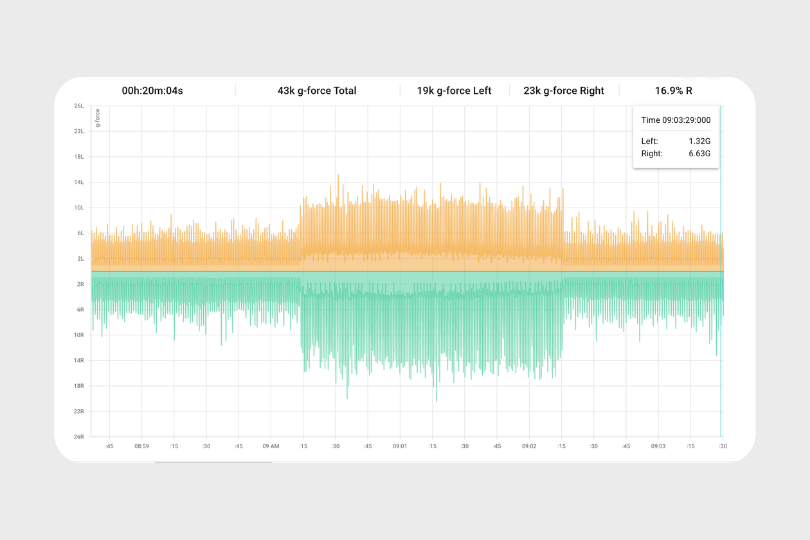
Data-Driven Return to Activity
Data review of an ankle surgery rehab from Dr. Kaila Holtz, physiatrist based in Vancouver.

Using Data To Fill In The Gaps
At the end of the day, a practitioner is trying to figure out how a person is doing (progressing, regressing or sometimes just maintaining) and if there are trainable deficits that can be addressed with exercise and treatment.
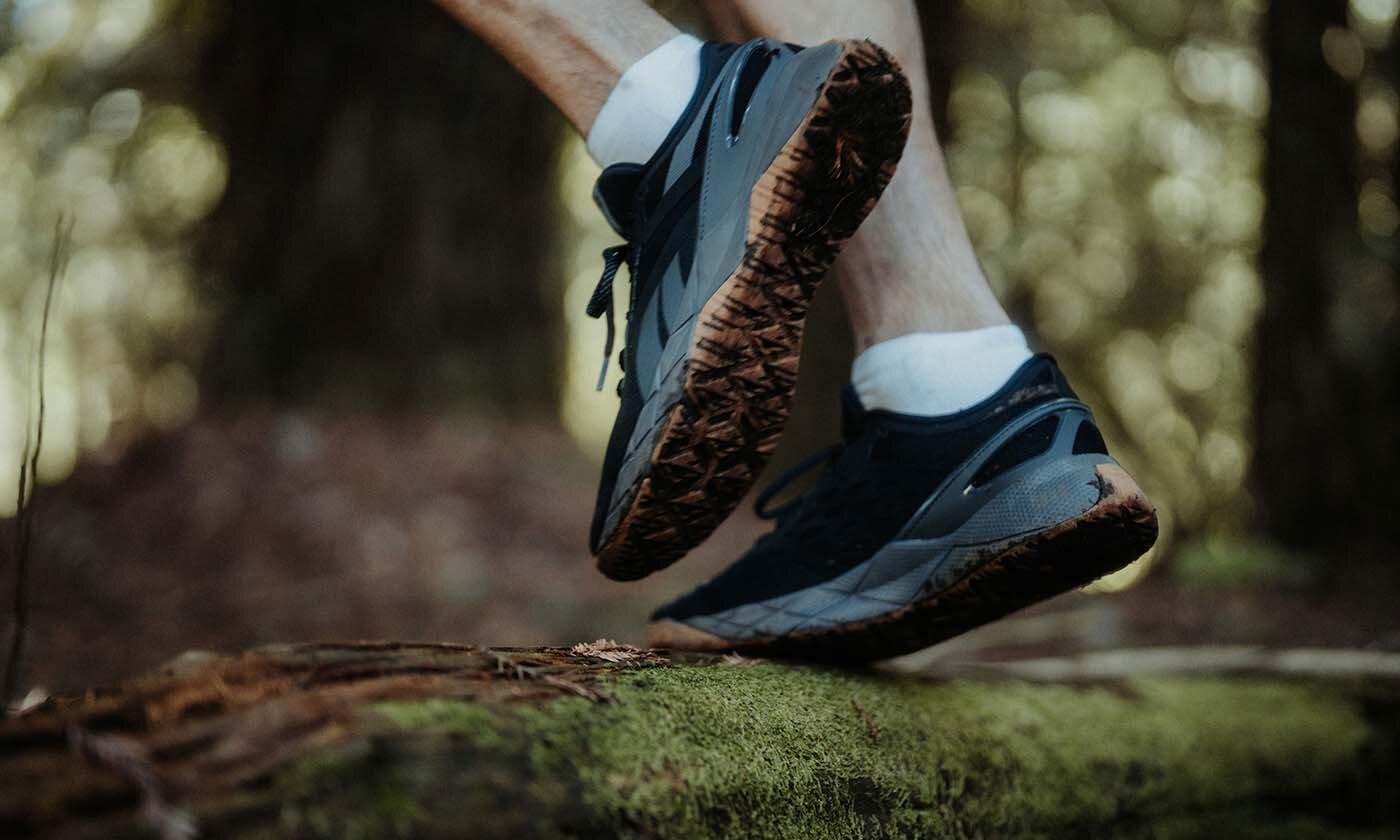
Musculoskeletal Telehealth
Dr. Kail Holtz, Physiatrist in Vancouver, discusses using tech to help her patients virtually during COVID-19.

Remote Health Monitoring: The New Normal
Remote health monitoring with Plantiga in an uncertain COVID-19 world.
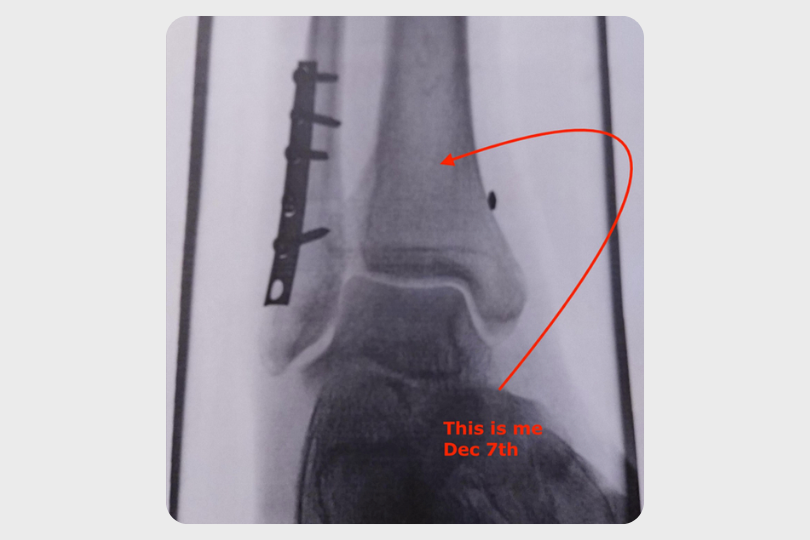
Data-Driven Recovery
Sean Ross-Ross discusses his rehab from a high syndesmotic ankle fracture and how Plantiga supported his journey back to health.
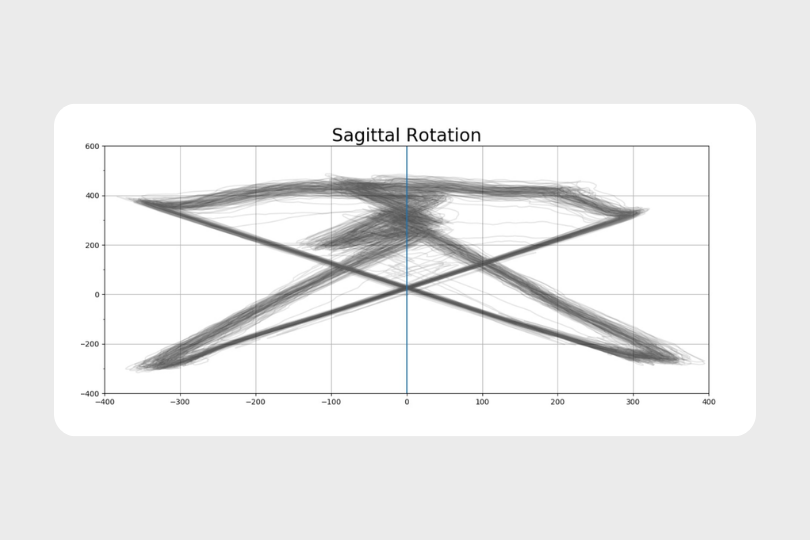
Assessing Asymmetries with Movement Maps
Matt Jordan discusses why measuring in the field is critical for assessing real movement habits and how he uses Plantiga’s Movement Maps to help him do it.